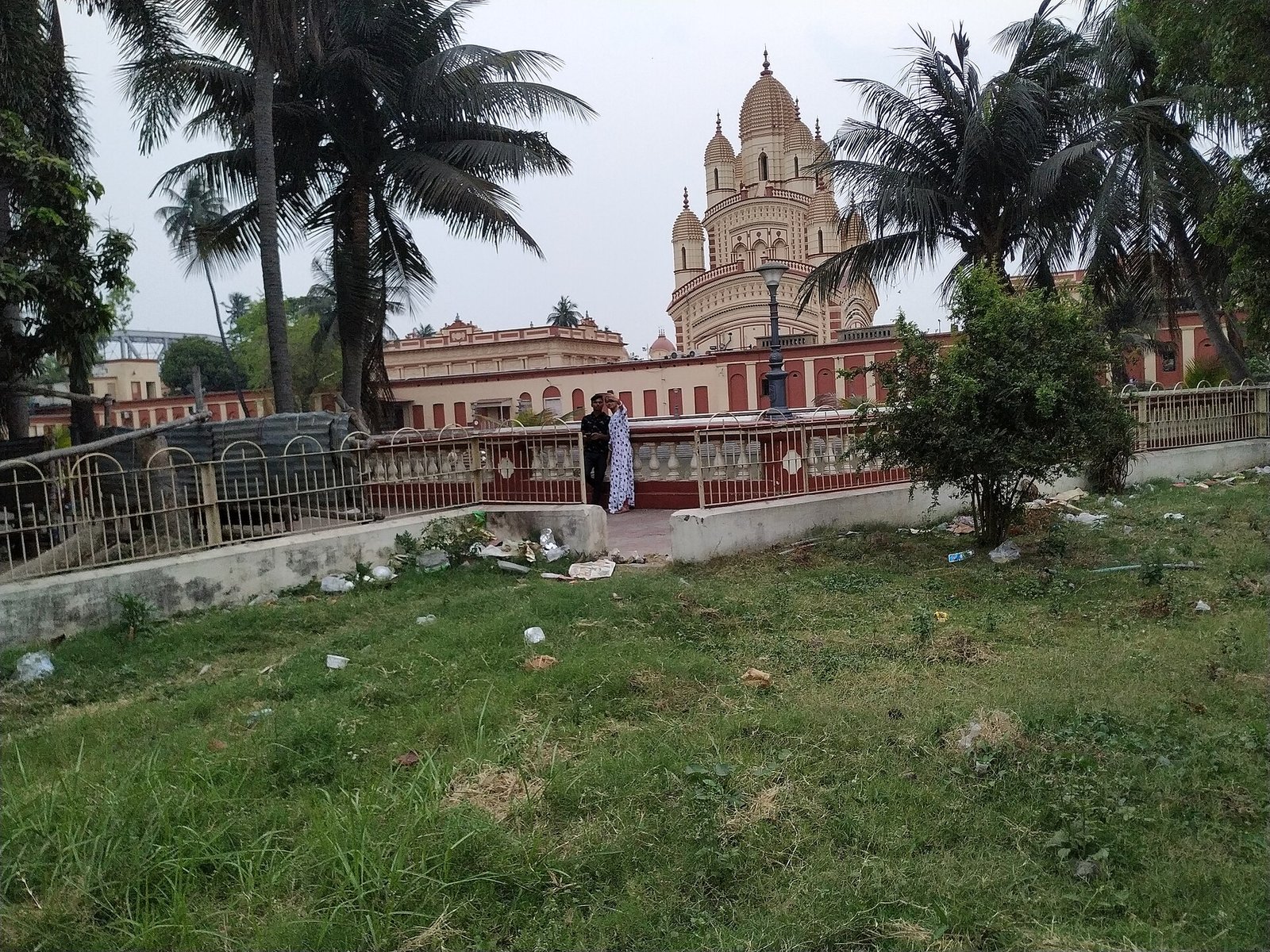
Quick answer: The most famous Kali temples in India are Kalighat and Dakshineswar in Kolkata, Tarapith in Birbhum (West Bengal), Kalkaji in Delhi, Mahakali at Pavagadh in Gujarat, Gadkalika in Ujjain, Kalimath near Guptkashi and Haat Kalika at Gangolihat in Uttarakhand, and Kali Bari in Shimla. Kali Puja on the Kartik Amavasya (Diwali night) and both Navratris are the peak days. Kali Puja 2026 falls on 8 November.
Updated for the 2027 yatra season (facts checked November 2026).
Maa Kali is the fierce, compassionate form of the Divine Mother who destroys ego, fear and evil. In Bengal she is worshipped as Dakshina Kali and Bhavatarini, the one who carries devotees across the ocean of worldly life. In the Himalaya she is Mahakali, the protector of villages and soldiers. In Gujarat and Madhya Pradesh she is Kalika Mata, a family deity for lakhs of households.
This guide lists the major Kali temples, why each is revered, when to go and how to reach. Temple timings change often, especially on Amavasya and during Navratri, so please confirm locally before you travel.
Which are the most famous Kali temples in India?
| Temple | Place | Why it is revered | Best time |
|---|---|---|---|
| Kalighat Kali Temple | Kolkata, West Bengal | Shakti Peeth; the toes of Sati’s right foot are believed to have fallen here | Kali Puja, Durga Puja, Bengali New Year |
| Dakshineswar Kali Temple | Kolkata (north), West Bengal | Maa Bhavatarini, served by Sri Ramakrishna; built by Rani Rashmoni | Kali Puja, Snana Yatra (temple foundation day) |
| Tarapith | Birbhum district, West Bengal | Maa Tara, the second Mahavidya; Siddha Peeth of the saint Bamakhepa | Kaushiki Amavasya, Kali Puja |
| Kalkaji Mandir | South Delhi | Ancient seat of Maa Kalka; Delhi’s best-known Kali temple | Chaitra and Sharad Navratri |
| Mahakali (Kalika Mata), Pavagadh | Panchmahal district, Gujarat | Hilltop temple, revered as a Shakti Peeth; UNESCO heritage hill | Chaitra and Aso Navratri |
| Gadkalika | Ujjain, Madhya Pradesh | Linked by legend to the poet Kalidasa | Navratri; with Mahakal darshan |
| Kalimath | Rudraprayag district, Uttarakhand | Siddha Peeth where the Goddess is worshipped in a sacred kund, not an idol | Navratri; May to June, September to November |
| Haat Kalika | Gangolihat, Pithoragarh, Uttarakhand | Mahakali Shakti Peeth linked to Adi Shankaracharya; revered by the Kumaon Regiment | Navratri, Chaitra and Ashwin |
| Kali Bari | Shimla, Himachal Pradesh | 19th-century temple of Maa Shyamala | Durga Puja, Kali Puja |
Why is Kalighat temple so important?
Kalighat is one of the most revered of the Shakti Peeths: tradition holds that the toes of Sati’s right foot fell here. The present temple was completed in 1809 under the patronage of the Sabarna Roy Choudhury family, after work begun in 1798. The image of Maa Kali, with large eyes and a long golden tongue, is unlike any other and is the image most people across Bengal picture when they think of Kali.
The temple stands beside the Adi Ganga, an old channel of the Hooghly, in south Kolkata. Kali Puja night, Durga Puja and Poila Baishakh (Bengali New Year) bring very large crowds. On ordinary days the temple is busiest in the morning and on Tuesdays and Saturdays.
Practical tips: Many people approach yatris at the gate offering quick darshan or puja. Use the temple’s official counters, agree any dakshina beforehand and keep valuables minimal. Kalighat and Jatin Das Park stations on the Kolkata Metro Blue Line are within walking distance.
What is special about Dakshineswar Kali temple?
Dakshineswar was founded by Rani Rashmoni, and the image of Maa Bhavatarini was installed on 31 May 1855, on Snana Yatra day. Sri Ramakrishna Paramahansa came here as an assistant to his elder brother, the head priest, and later served as priest himself. His devotion made Dakshineswar a centre of spiritual life, and his room in the complex is still visited.
The temple stands on the eastern bank of the Hooghly in the navaratna (nine-spired) style. Along the river are twelve identical Shiva temples, and there is a Radha Kanta (Radha Krishna) temple in the same courtyard. Belur Math, headquarters of the Ramakrishna Math and Mission, is directly across the river and can be reached by ferry.
How to reach: Dakshineswar has its own Metro station and a suburban railway station. A covered skywalk links the station area to the temple. From central Kolkata allow 45 to 90 minutes by road depending on traffic. Our Gangasagar Kalighat Yatra covers Kalighat, Dakshineswar and Belur Math with a holy dip at Gangasagar.
Why do devotees go to Tarapith?
Tarapith is in Birbhum district, on the bank of the Dwarka river, about 6 km from Rampurhat. Maa Tara, the second of the ten Mahavidyas, is worshipped here, and the temple is famous for its tantric tradition and the adjoining cremation ground. It is widely revered as a Siddha Peeth; some traditions also count it among the Shakti Peeths, where the eye of Sati is believed to have fallen.
The 19th-century saint Bamakhepa, the “mad one of Tara”, lived and worshipped in the cremation ground, and his ashram on the river bank is part of every yatri’s visit. Kaushiki Amavasya in the month of Bhadra (usually August or September) and Kali Puja night draw the biggest crowds.
How to reach: Rampurhat and Tarapith Road are the nearest railway stations, with trains from Howrah and Sealdah. By road Kolkata is roughly 5 to 6 hours away. Tarapith can be added to our West Bengal Yatra through the Shakti Peeths of Birbhum and Bardhaman.
What should you know about Kalkaji Mandir, Delhi?
Kalkaji Mandir in South Delhi, opposite Nehru Place, is the city’s best-known temple of the Goddess, worshipped here as Maa Kalka. Tradition tells that Kali appeared here to destroy the demon Raktabija, drinking his blood before it could touch the ground. The core of the present structure dates from the mid-18th century, with additions in the late 18th and early 19th centuries.
Chaitra and Sharad Navratri bring a large mela and long queues, especially on Ashtami. Kalkaji Mandir metro station on the Violet and Magenta lines is a short walk away, and the Lotus Temple is nearby.
How do you visit Pavagadh Mahakali temple?
The temple of Mahakali (Kalika Mata) stands on the summit of Pavagadh hill, which rises about 800 metres above the plains, about 50 km east of Vadodara. It is widely revered as a Shakti Peeth and is a family deity (kuldevi) for many Gujarati households. Pavagadh and the old city of Champaner below form the Champaner-Pavagadh Archaeological Park, a UNESCO World Heritage Site.
The redeveloped temple was inaugurated in June 2022, when a flag was raised on its spire for the first time in about five centuries, as widely reported. Vehicles go up to Machi plateau. From there, yatris take the ropeway (Udan Khatola) or climb the stepped path, and then climb the final stretch of steps to the temple.
When to go: Chaitra and Aso (Sharad) Navratri bring the largest crowds; weekdays from October to March are the most comfortable. Vadodara has the nearest airport and major railway station. Our team can plan Pavagadh as part of a Gujarat yatra on request.
Why is Gadkalika temple in Ujjain famous?
Gadkalika stands near the old fortifications of Ujjain, a few kilometres from the Mahakaleshwar Jyotirlinga. Legend holds that the poet Kalidasa was a simple, unlettered youth until the grace of Maa Kalika made him the author of Meghaduta and Abhijnanashakuntalam. Some local traditions also count it as a Shakti Peeth. Navratri brings special havans and shringar.
Most yatris visit Gadkalika with Kal Bhairav and Harsiddhi on the same day as Mahakal darshan. Our guide to temples in Ujjain covers the full circuit.
Which Kali temples are in Uttarakhand?
Kalimath (Rudraprayag district): Kalimath lies at about 1,800 metres on the bank of the Kaliganga, locally called the Saraswati, a short drive from Guptkashi in the Kedarnath valley. Tradition holds that after slaying Raktabija, Maa Kali withdrew into the earth here. There is no idol in the main shrine; the Goddess is worshipped at a sacred kund (pit) that is kept covered, and a Shri Yantra is the object of devotion. Temples of Lakshmi and Saraswati stand nearby, and the village is revered as a Siddha Peeth, especially during Navratri.
Kalimath is easy to add to a Kedarnath yatra with a halt at Guptkashi, such as our Kedarnath Tungnath Yatra; ask us when you enquire. See our Kedarnath yatra guide for season dates.
Haat Kalika (Gangolihat, Pithoragarh): Gangolihat is about 78 km from Pithoragarh at roughly 1,760 metres. The Haat Kalika temple is revered as a Mahakali Shakti Peeth, believed to have been established by Adi Shankaracharya. It holds a special place for the Kumaon Regiment of the Indian Army, whose soldiers regard Maa Kali as their protector and whose battle cry is “Jai Ma Kali”. The Patal Bhuvaneshwar cave temple is about 14 km away, so the two are visited together.
What is Kali Bari in Shimla?
Kali Bari stands on Bantony Hill near the Mall Road and the Ridge in Shimla. It was established in the 19th century by Bengali families who came to Shimla when it became the summer capital of British India. The Goddess is worshipped as Maa Shyamala, and many believe the name Shimla comes from Shyamala. Durga Puja and Kali Puja are celebrated here in the Bengali tradition. Most families visit it on a Shimla halt during a Himachal yatra.
Which is the most powerful Kali temple in India?
Devotees do not rank the Mother, and every temple on this list is called jagrat, a place where her presence is felt. In popular belief, Kalighat is the most important for Shakti Peeth worship, Tarapith for tantric sadhana and Siddha Peeth worship, and Dakshineswar for bhakti in the tradition of Sri Ramakrishna. In the Himalaya, Kalimath and Haat Kalika are regarded as especially powerful. Choose the temple your family is drawn to, or your kuldevi.
When is the best time to visit Kali temples?
| Occasion | When | Where it is biggest |
|---|---|---|
| Kali Puja (Shyama Puja) | Kartik Amavasya, the Diwali night. 8 November 2026; in 2027, West Bengal’s holiday list gives 28 October (some panchangs mark 29 October for Diwali) | Kalighat, Dakshineswar, Tarapith, Kali Bari Shimla |
| Chaitra Navratri | Begins 7 April 2027 (panchang date) | Kalkaji, Pavagadh, Gadkalika, Kalimath, Haat Kalika |
| Sharad Navratri | Begins about 1 October 2027 (some calendars 30 September) | All temples; Durga Puja in Bengal |
| Kaushiki Amavasya | Bhadra Amavasya, usually August or September | Tarapith |
| Every Amavasya, Tuesday and Saturday | Weekly and monthly | All Kali temples; expect larger crowds |
For a peaceful darshan, go on a weekday morning outside festival weeks. For the Himalayan temples, the comfortable months are April to June and September to November; the monsoon brings landslides on hill roads.
How should you plan a Kali temple yatra?
- Kolkata (2 to 4 days): Kalighat, Dakshineswar and Belur Math, with Gangasagar or the Shakti Peeths of Hooghly and Tamluk.
- Bengal Shakti Peeths (4 days): Tarapith with Kankalitala, Nalhati, Bakreshwar and other Birbhum and Bardhaman peeths, from Durgapur.
- Kedarnath valley: Kalimath from Guptkashi on the way to or from Kedarnath.
- Kumaon: Haat Kalika and Patal Bhuvaneshwar from Pithoragarh or Almora.
- Gujarat: Pavagadh from Vadodara, with Somnath, Dwarka or Ambaji.
- Ujjain: Gadkalika with Mahakal, Kal Bhairav and Harsiddhi.
Our Shakti Peeth yatra guide explains how the peeths are counted and how to plan a longer circuit, and our Shakti Peeth yatras page lists ready itineraries.
What we arrange
Our team plans Devi yatras with vehicles, hotels close to the temples and darshan timed around the temple’s own schedule, with a gentle pace for senior citizens. In Bengal we arrange the Gangasagar Kalighat Yatra from Kolkata and the West Bengal Yatra through the rural Shakti Peeths, with Tarapith as an add-on. In Uttarakhand we can add Kalimath to a Kedarnath yatra. For a plan for your family, use the enquiry form on this page or call/WhatsApp us (numbers on our Contact page).
Frequently asked questions
Which is the most famous Kali temple in India?
Kalighat in Kolkata is the most famous, as it is one of the Shakti Peeths where the toes of Sati’s right foot are believed to have fallen. Dakshineswar, also in Kolkata, is equally loved for its link with Sri Ramakrishna. Outside Bengal, Kalkaji in Delhi and Mahakali at Pavagadh in Gujarat draw the largest crowds, especially during Navratri.
When is Kali Puja in 2026 and 2027?
Kali Puja is held on the Amavasya of Kartik, the same night as Diwali in most years. In 2026 it falls on Sunday, 8 November. For 2027, the West Bengal holiday list gives Thursday, 28 October, while some panchangs place Diwali on 29 October. The puja is done at night, so confirm the exact muhurat with the temple.
Is Tarapith a Shakti Peeth?
Tarapith is best known as a Siddha Peeth, a place where sadhana is believed to bear fruit, made famous by the saint Bamakhepa. Some traditions also list it among the Shakti Peeths, where the eye of Sati fell, but it does not appear in every list of 51 peeths. Either way, it is one of the most revered Devi temples in Bengal.
How far is Dakshineswar from Kalighat?
Dakshineswar is in the north of Kolkata and Kalighat is in the south, roughly 20 km apart. By road the drive can take 45 minutes to well over an hour in traffic. The Kolkata Metro is often faster, as both temples are close to Metro stations. Most families cover both in one day, with Belur Math across the river from Dakshineswar.
Why is there no idol at Kalimath?
Tradition holds that after destroying the demon Raktabija, Maa Kali withdrew into the earth at Kalimath. The main shrine therefore has no idol; the Goddess is worshipped at a sacred kund that is kept covered, with a Shri Yantra as the object of devotion. Temples of Lakshmi and Saraswati stand nearby, and Navratri is the main festival.
How do you reach Pavagadh temple?
Pavagadh is about 50 km east of Vadodara, which has the nearest airport and main railway station. Vehicles go up to Machi plateau, from where yatris take the ropeway or climb the stepped path. A final climb of steps leads to the temple at the summit. Seniors should go early on a weekday and avoid Navratri crowds.
Which Kali temples can be visited on a Kedarnath yatra?
Kalimath, a short drive from Guptkashi in Rudraprayag district, is the main Kali temple on the Kedarnath route, and it can be added on the way up or down. In Kumaon, Haat Kalika at Gangolihat is a separate journey from Pithoragarh, usually combined with the Patal Bhuvaneshwar cave temple. Our team can build either into an Uttarakhand yatra.