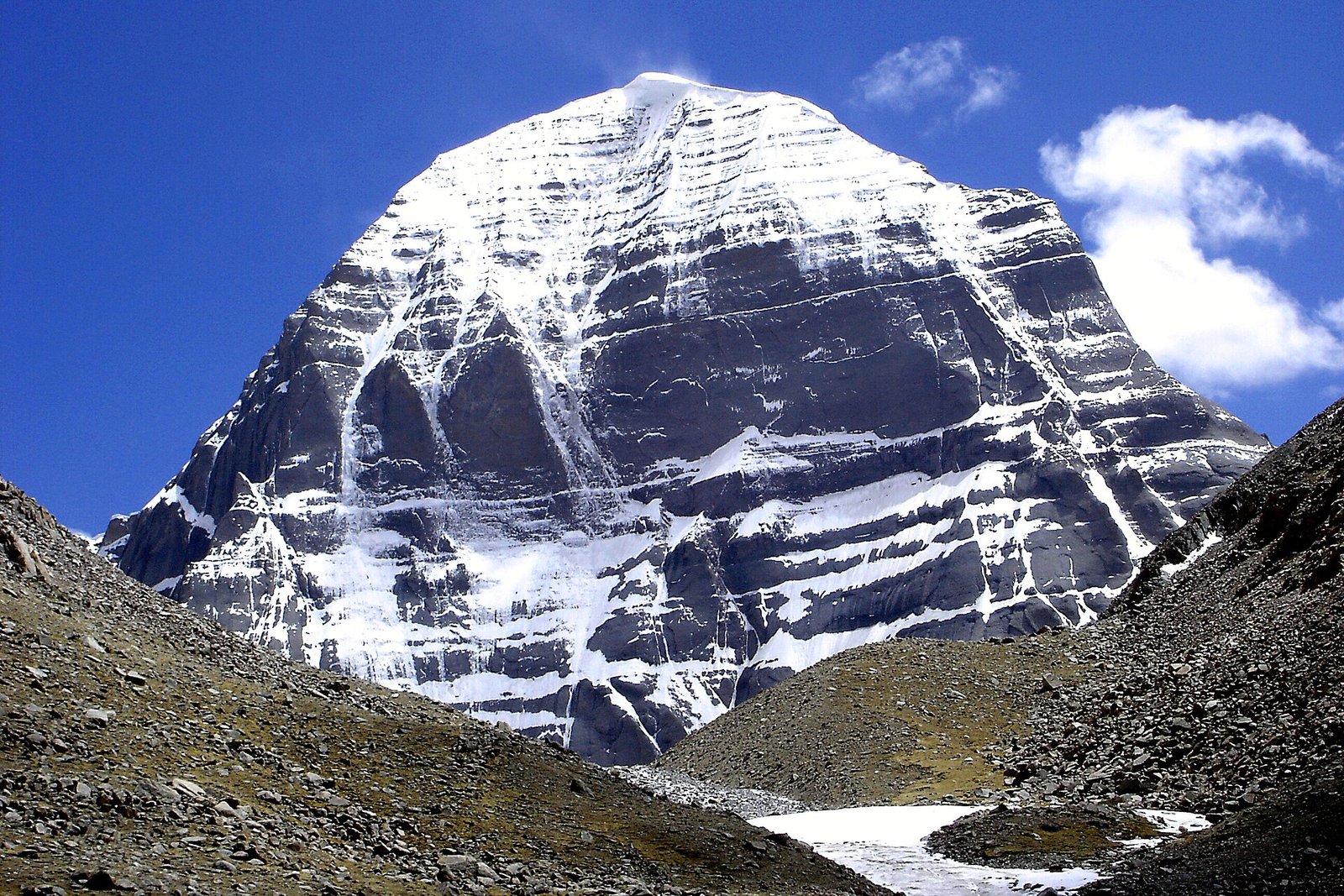
Quick answer: The 108 names of Lord Shiva are traditionally chanted as the Shiva Ashtottara Shatanamavali, a list of 108 names each recited as “Om … namah”, beginning with Om Shivaya Namah and ending with Om Parameshwaraya Namah. Devotees chant them during abhishek or archana, often offering one bilva leaf or flower with each name, especially on Mondays, Pradosh, Shravan and Mahashivratri.
Updated for the 2027 yatra season (facts checked October 2026)
Below is the complete traditional namavali of 108 names, in the order in which it is commonly recited in temples and homes across India. Each name is given in Devanagari in its chanting form, with a simple transliteration of the name and its meaning in plain English. The meanings are our own short renderings of the traditional sense; many names carry deeper layers, and your guru or purohit may explain them differently.
What is the Shiva Ashtottara Shatanamavali?
Ashtottara shata means “one hundred and eight”, and namavali means “a garland of names”. The number 108 is sacred in Hindu tradition: a japa mala has 108 beads, and archana with 108 names is a standard form of worship for every major deity. Shiva’s longer litany, the Shiva Sahasranama, has a thousand names and appears in the Mahabharata and several Puranas. The 108-name list is shorter, easy to complete in ten to fifteen minutes, and is the one most families use in daily or weekly puja.
Each name is in the dative case, with the ending -aya or -e, meaning “to” or “for”. So Om Shivaya Namah means “Om, salutations to Shiva”. That is why the mantra form (for example शिवाय) looks slightly different from the name itself (शिव).
How to chant the 108 names of Shiva
- Prepare: bathe, sit facing east or north before a Shivalinga or picture of Shiva. Keep 108 bilva leaves, flowers or grains of rice ready, and a diya lit.
- Begin: chant Om Namah Shivaya three times, or a Ganesha prayer if your family tradition starts that way.
- Chant each name: say “Om”, the name in its mantra form, and “namah”. With each name, offer one bilva leaf, flower or a few grains of rice at the linga.
- Keep a steady pace: clarity matters more than speed. If you lose your place, simply continue.
- Close: offer aarti, then sit quietly for a minute. You may end with the Mahamrityunjaya mantra.
If you cannot read Sanskrit easily, chanting slowly from the transliteration column is perfectly acceptable. Bhakti is what counts.
The 108 names of Lord Shiva (1 to 27)
| No. | Mantra (Devanagari) | Name | Meaning |
|---|---|---|---|
| 1 | ॐ शिवाय नमः | Shiva | The auspicious one, pure and kind |
| 2 | ॐ महेश्वराय नमः | Maheshwara | The great lord of all |
| 3 | ॐ शम्भवे नमः | Shambhu | The source of happiness |
| 4 | ॐ पिनाकिने नमः | Pinaki | Holder of the Pinaka bow |
| 5 | ॐ शशिशेखराय नमः | Shashishekhara | Who wears the crescent moon on his head |
| 6 | ॐ वामदेवाय नमः | Vamadeva | The gentle, graceful lord; one of his five faces |
| 7 | ॐ विरूपाक्षाय नमः | Virupaksha | Whose eyes are wondrous (the three-eyed one) |
| 8 | ॐ कपर्दिने नमः | Kapardi | With thick, coiled matted locks |
| 9 | ॐ नीललोहिताय नमः | Nilalohita | Blue-red in colour |
| 10 | ॐ शङ्कराय नमः | Shankara | Who brings welfare and peace |
| 11 | ॐ शूलपाणये नमः | Shulapani | Holding the trident in his hand |
| 12 | ॐ खट्वाङ्गिने नमः | Khatvangi | Carrying the khatvanga staff |
| 13 | ॐ विष्णुवल्लभाय नमः | Vishnuvallabha | Dear to Lord Vishnu |
| 14 | ॐ शिपिविष्टाय नमः | Shipivishta | Pervaded by rays of light |
| 15 | ॐ अम्बिकानाथाय नमः | Ambikanatha | Lord of Ambika (Parvati) |
| 16 | ॐ श्रीकण्ठाय नमः | Shrikantha | Whose throat is glorious |
| 17 | ॐ भक्तवत्सलाय नमः | Bhaktavatsala | Full of love for his devotees |
| 18 | ॐ भवाय नमः | Bhava | Existence itself, the source of all |
| 19 | ॐ शर्वाय नमः | Sharva | The archer who destroys all troubles |
| 20 | ॐ त्रिलोकेशाय नमः | Trilokesha | Lord of the three worlds |
| 21 | ॐ शितिकण्ठाय नमः | Shitikantha | With a dark (blue) throat |
| 22 | ॐ शिवाप्रियाय नमः | Shivapriya | Beloved of Shiva (Parvati) |
| 23 | ॐ उग्राय नमः | Ugra | The fierce, mighty one |
| 24 | ॐ कपालिने नमः | Kapali | Who carries a skull as a begging bowl |
| 25 | ॐ कामारये नमः | Kamari | Who overcame Kama, the god of desire |
| 26 | ॐ अन्धकासुरसूदनाय नमः | Andhakasura Sudana | Slayer of the demon Andhaka |
| 27 | ॐ गङ्गाधराय नमः | Gangadhara | Who holds the Ganga in his hair |
The 108 names of Lord Shiva (28 to 54)
| No. | Mantra (Devanagari) | Name | Meaning |
|---|---|---|---|
| 28 | ॐ ललाटाक्षाय नमः | Lalataksha | With an eye on his forehead |
| 29 | ॐ कालकालाय नमः | Kalakala | Death even to death; lord of time |
| 30 | ॐ कृपानिधये नमः | Kripanidhi | Treasure-house of compassion |
| 31 | ॐ भीमाय नमः | Bhima | Of awe-inspiring strength |
| 32 | ॐ परशुहस्ताय नमः | Parashuhasta | Holding an axe in his hand |
| 33 | ॐ मृगपाणये नमः | Mrigapani | Holding a deer in his hand |
| 34 | ॐ जटाधराय नमः | Jatadhara | Wearing matted hair |
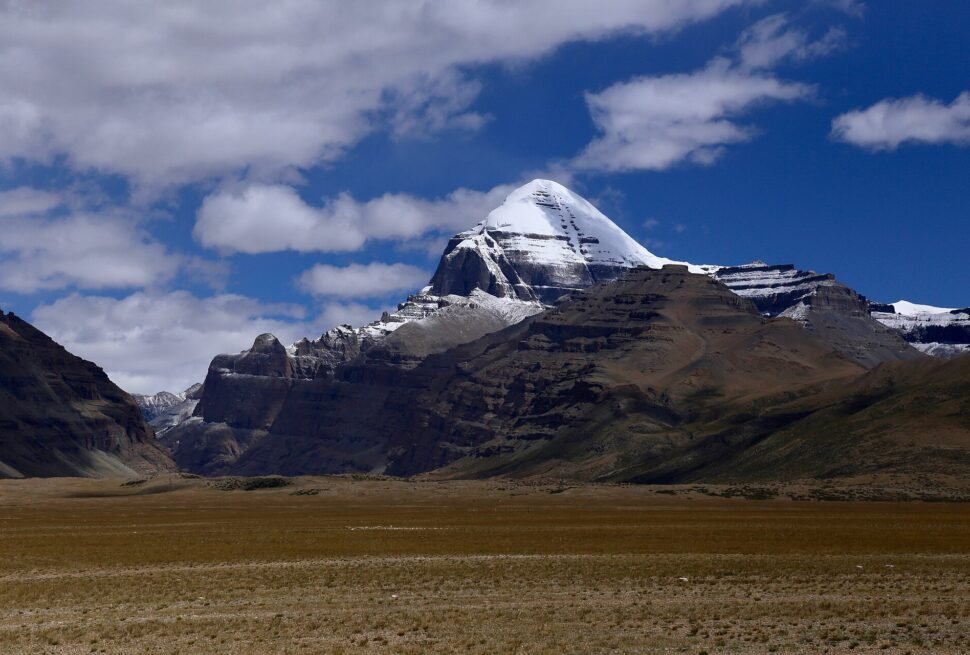
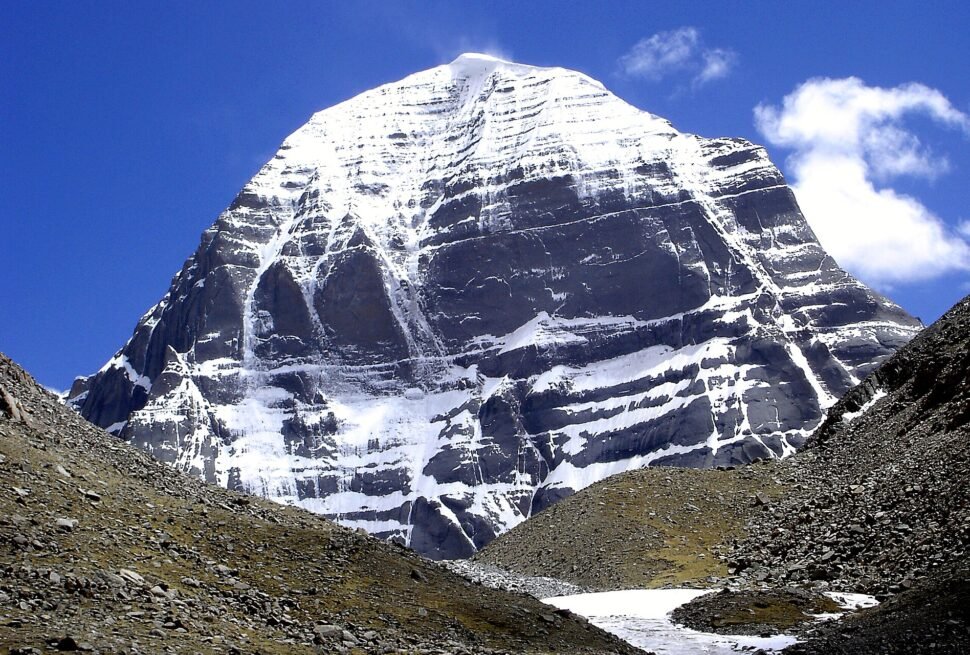
| 35 | ॐ कैलासवासिने नमः | Kailasavasi | Who dwells on Mount Kailash |
| 36 | ॐ कवचिने नमः | Kavachi | Wearing armour, the protector |
| 37 | ॐ कठोराय नमः | Kathora | Firm and unyielding |
| 38 | ॐ त्रिपुरान्तकाय नमः | Tripurantaka | Who destroyed the three cities of Tripura |
| 39 | ॐ वृषाङ्काय नमः | Vrishanka | Whose flag bears the bull |
| 40 | ॐ वृषभारूढाय नमः | Vrishabharudha | Who rides the bull Nandi |
| 41 | ॐ भस्मोद्धूलितविग्रहाय नमः | Bhasmoddhulita Vigraha | Whose body is smeared with sacred ash |
| 42 | ॐ सामप्रियाय नमः | Samapriya | Fond of the chants of the Sama Veda |
| 43 | ॐ स्वरमयाय नमः | Swaramaya | Made of sound and musical notes |
| 44 | ॐ त्रयीमूर्तये नमः | Trayimurti | Embodiment of the three Vedas |
| 45 | ॐ अनीश्वराय नमः | Anishwara | Who has no lord above him |
| 46 | ॐ सर्वज्ञाय नमः | Sarvajna | The all-knowing |
| 47 | ॐ परमात्मने नमः | Paramatma | The Supreme Self |
| 48 | ॐ सोमसूर्याग्निलोचनाय नमः | Soma Surya Agni Lochana | Whose three eyes are the moon, sun and fire |
| 49 | ॐ हविषे नमः | Havi | The offering in the sacred fire itself |
| 50 | ॐ यज्ञमयाय नमः | Yajnamaya | Embodiment of the yajna |
| 51 | ॐ सोमाय नमः | Soma | Who is with Uma; gentle as the moon |
| 52 | ॐ पञ्चवक्त्राय नमः | Panchavaktra | The five-faced one |
| 53 | ॐ सदाशिवाय नमः | Sadashiva | Ever auspicious |
| 54 | ॐ विश्वेश्वराय नमः | Vishveshwara | Lord of the universe |
The 108 names of Lord Shiva (55 to 81)
| No. | Mantra (Devanagari) | Name | Meaning |
|---|---|---|---|
| 55 | ॐ वीरभद्राय नमः | Virabhadra | The heroic, fierce form born of his anger |
| 56 | ॐ गणनाथाय नमः | Gananatha | Lord of the ganas |
| 57 | ॐ प्रजापतये नमः | Prajapati | Lord and protector of all creatures |
| 58 | ॐ हिरण्यरेतसे नमः | Hiranyareta | Of golden radiance |
| 59 | ॐ दुर्धर्षाय नमः | Durdharsha | The unconquerable |
| 60 | ॐ गिरीशाय नमः | Girīsha | Lord of the mountains |
| 61 | ॐ गिरिशाय नमः | Giriśa | Who rests upon the mountain |
| 62 | ॐ अनघाय नमः | Anagha | Sinless and pure |
| 63 | ॐ भुजङ्गभूषणाय नमः | Bhujanga Bhushana | Adorned with serpents |
| 64 | ॐ भर्गाय नमः | Bharga | The radiant one who burns away sin |
| 65 | ॐ गिरिधन्वने नमः | Giridhanva | Whose bow is a mountain (Meru) |
| 66 | ॐ गिरिप्रियाय नमः | Giripriya | Who loves the mountains |
| 67 | ॐ कृत्तिवाससे नमः | Krittivasa | Clothed in an animal hide |
| 68 | ॐ पुरारातये नमः | Purarati | Enemy of the (three) cities |
| 69 | ॐ भगवते नमः | Bhagavan | The Lord, full of all divine qualities |
| 70 | ॐ प्रमथाधिपाय नमः | Pramathadhipa | Lord of the pramathas, his attendants |
| 71 | ॐ मृत्युञ्जयाय नमः | Mrityunjaya | Conqueror of death |
| 72 | ॐ सूक्ष्मतनवे नमः | Sukshmatanu | Of subtle form |
| 73 | ॐ जगद्व्यापिने नमः | Jagadvyapi | Who pervades the whole world |
| 74 | ॐ जगद्गुरवे नमः | Jagadguru | Teacher of the world |
| 75 | ॐ व्योमकेशाय नमः | Vyomakesha | Whose hair is the sky |
| 76 | ॐ महासेनजनकाय नमः | Mahasena Janaka | Father of Mahasena (Kartikeya) |
| 77 | ॐ चारुविक्रमाय नमः | Charuvikrama | Of graceful valour |
| 78 | ॐ रुद्राय नमः | Rudra | The fierce one who drives away sorrow |
| 79 | ॐ भूतपतये नमः | Bhutapati | Lord of all beings and spirits |
| 80 | ॐ स्थाणवे नमः | Sthanu | Steady and still like a pillar |
| 81 | ॐ अहिर्बुध्न्याय नमः | Ahirbudhnya | The serpent of the depths |
The 108 names of Lord Shiva (82 to 108)
| No. | Mantra (Devanagari) | Name | Meaning |
|---|---|---|---|
| 82 | ॐ दिगम्बराय नमः | Digambara | Whose garments are the directions |
| 83 | ॐ अष्टमूर्तये नमः | Ashtamurti | Who has eight forms |
| 84 | ॐ अनेकात्मने नमः | Anekatma | The one Self in many beings |
| 85 | ॐ सात्त्विकाय नमः | Sattvika | Of pure, serene nature |
| 86 | ॐ शुद्धविग्रहाय नमः | Shuddha Vigraha | Whose form is spotless |
| 87 | ॐ शाश्वताय नमः | Shashvata | The eternal |
| 88 | ॐ खण्डपरशवे नमः | Khandaparashu | Who bears the broken-edged axe |
| 89 | ॐ अजाय नमः | Aja | The unborn |
| 90 | ॐ पाशविमोचकाय नमः | Pashavimochaka | Who frees souls from their bonds |
| 91 | ॐ मृडाय नमः | Mrida | The gracious giver of joy |
| 92 | ॐ पशुपतये नमः | Pashupati | Lord of all living beings |
| 93 | ॐ देवाय नमः | Deva | The shining god |
| 94 | ॐ महादेवाय नमः | Mahadeva | The great god, god of gods |
| 95 | ॐ अव्ययाय नमः | Avyaya | The imperishable |
| 96 | ॐ हरये नमः | Hari | Who removes sin; one with Vishnu |
| 97 | ॐ पूषदन्तभिदे नमः | Pushadantabhit | Who broke the teeth of Pusha at Daksha’s yajna |
| 98 | ॐ अव्यग्राय नमः | Avyagra | Calm and never disturbed |
| 99 | ॐ दक्षाध्वरहराय नमः | Dakshadhvarahara | Who destroyed Daksha’s arrogant yajna |
| 100 | ॐ हराय नमः | Hara | Who takes away sins and sorrows |
| 101 | ॐ भगनेत्रभिदे नमः | Bhaganetrabhit | Who struck the eyes of Bhaga |
| 102 | ॐ अव्यक्ताय नमः | Avyakta | The unmanifest |
| 103 | ॐ सहस्राक्षाय नमः | Sahasraksha | The thousand-eyed |
| 104 | ॐ सहस्रपदे नमः | Sahasrapat | The thousand-footed |
| 105 | ॐ अपवर्गप्रदाय नमः | Apavargaprada | Giver of moksha (liberation) |
| 106 | ॐ अनन्ताय नमः | Ananta | The endless |
| 107 | ॐ तारकाय नमः | Taraka | Who carries souls across the ocean of samsara |
| 108 | ॐ परमेश्वराय नमः | Parameshwara | The supreme lord |
Notes on a few names
- Girīsha and Giriśa (60 and 61): both appear in the traditional list. The first, with a long ī, means “lord of the mountains”; the second, with a short i, means “one who lies or dwells on the mountain”. They are recited one after the other.
- Names from the stories: several names recall Puranic episodes. Tripurantaka and Purarati refer to the destruction of Tripura; Kamari to the burning of Kamadeva; Dakshadhvarahara, Pushadantabhit and Bhaganetrabhit to the events at Daksha’s yajna; Gangadhara to the descent of the Ganga; Andhakasura Sudana to the slaying of Andhaka.
- Names from the Vedas: Nilalohita, Shipivishta, Kapardi, Shitikantha, Bhava, Sharva and Rudra all occur in the Shri Rudram of the Yajurveda, which shows how old this list’s roots are.
- Hari (96): this name is shared with Vishnu and is read as “the one who removes sins”. It also reflects the tradition that Shiva and Vishnu are one.
When is it best to chant the 108 names?
| Occasion | Why devotees choose it |
|---|---|
| Every Monday (Somvar) | Monday is traditionally Shiva’s day; many keep a Somvar vrat |
| Pradosh (13th lunar day), at dusk | Considered especially dear to Shiva; twice a month |
| Masik Shivratri | The monthly Shivratri on Krishna Chaturdashi |
| Shravan month | The holiest month for Shiva worship, usually July to August |
| Mahashivratri | In each of the four prahars of the night; in 2027 on 6 March |
| Before a yatra | Many families chant the names before setting out for Kedarnath, Kashi or Kailash |
For a step-by-step Mahashivratri puja and the 2027 muhurat, see our Mahashivratri 2027 guide. To understand the forms behind these names, such as Nataraja, Dakshinamurti and Ardhanarishvara, read Lord Shiva: forms, names and holiest temples.
What are the benefits of chanting Shiva’s 108 names?
Devotees believe the namavali purifies the mind, removes obstacles and brings Shiva’s grace and protection. In the traditional view, each name is a doorway to one quality of the Lord: chanting Mrityunjaya with faith is believed to protect from untimely death; Kripanidhi reminds us of his compassion; Jagadguru of his role as the first teacher. Beyond belief, many people simply find that a fixed daily chant brings calm, focus and a sense of routine. These are matters of faith and experience, not guaranteed results.
How we can help
If you would like a Rudrabhishek performed at a Jyotirlinga in your family’s name, our Kedarnath Rudrabhishek (online puja) and Kashi Vishwanath Rudrabhishek (online puja) can be arranged with your sankalp. To do darshan in person, see our Jyotirlinga yatras and online pujas. For any question, use the enquiry form on this page or call/WhatsApp us (numbers on our Contact page).
Frequently asked questions
What is the first name in the 108 names of Lord Shiva?
The traditional Shiva Ashtottara Shatanamavali begins with “Om Shivaya Namah”, salutations to Shiva, the auspicious one. It is followed by Maheshwara, Shambhu, Pinaki and Shashishekhara. The list ends with the 108th name, “Om Parameshwaraya Namah”, salutations to the supreme lord.
Can women chant the 108 names of Shiva?
Yes. The namavali is a devotional chant open to everyone, regardless of gender, age or caste, and is chanted in homes by women across India every day. Some families follow their own customs during certain days of the month; follow your family tradition, but there is no general bar on women chanting Shiva’s names.
Is it necessary to chant in Sanskrit?
Chanting the names in Sanskrit is traditional, and the sound is considered meaningful. But if you cannot read Devanagari, chanting carefully from a transliteration is fine, and remembering the meaning as you chant deepens the experience. Devotion matters more than perfect pronunciation, especially for beginners and children.
How long does it take to chant all 108 names?
At a calm pace, chanting all 108 names with an offering for each takes about 10 to 15 minutes. Without offerings it can take 6 to 8 minutes. Many people chant once in the morning; on Mondays, Pradosh or Mahashivratri they may repeat it or combine it with abhishek.
What is the difference between the 108 names and the Shiva Sahasranama?
The Ashtottara Shatanamavali has 108 names and is used for quick daily archana. The Shiva Sahasranama has 1,008 or 1,000 names and appears in the Mahabharata (Anushasana Parva) and in Puranas such as the Linga and Shiv Purana, with different versions. The Sahasranama takes much longer and is usually chanted on special occasions.
Which offering should I make with each name?
The most traditional offering is one bilva (bel) leaf with three leaflets for each name. Where bilva is not available, white flowers, akshat (unbroken rice) or a few drops of water on the linga are fine. Tulsi leaves and ketaki flowers are traditionally not offered to Shiva.
Are there other lists of 108 names of Shiva?
Yes. Different regions and sampradayas use slightly different 108-name lists, and some Puranas contain their own. The list on this page is the one most widely used in temples and puja books across India. If your family or temple uses another list, it is equally valid for your worship.