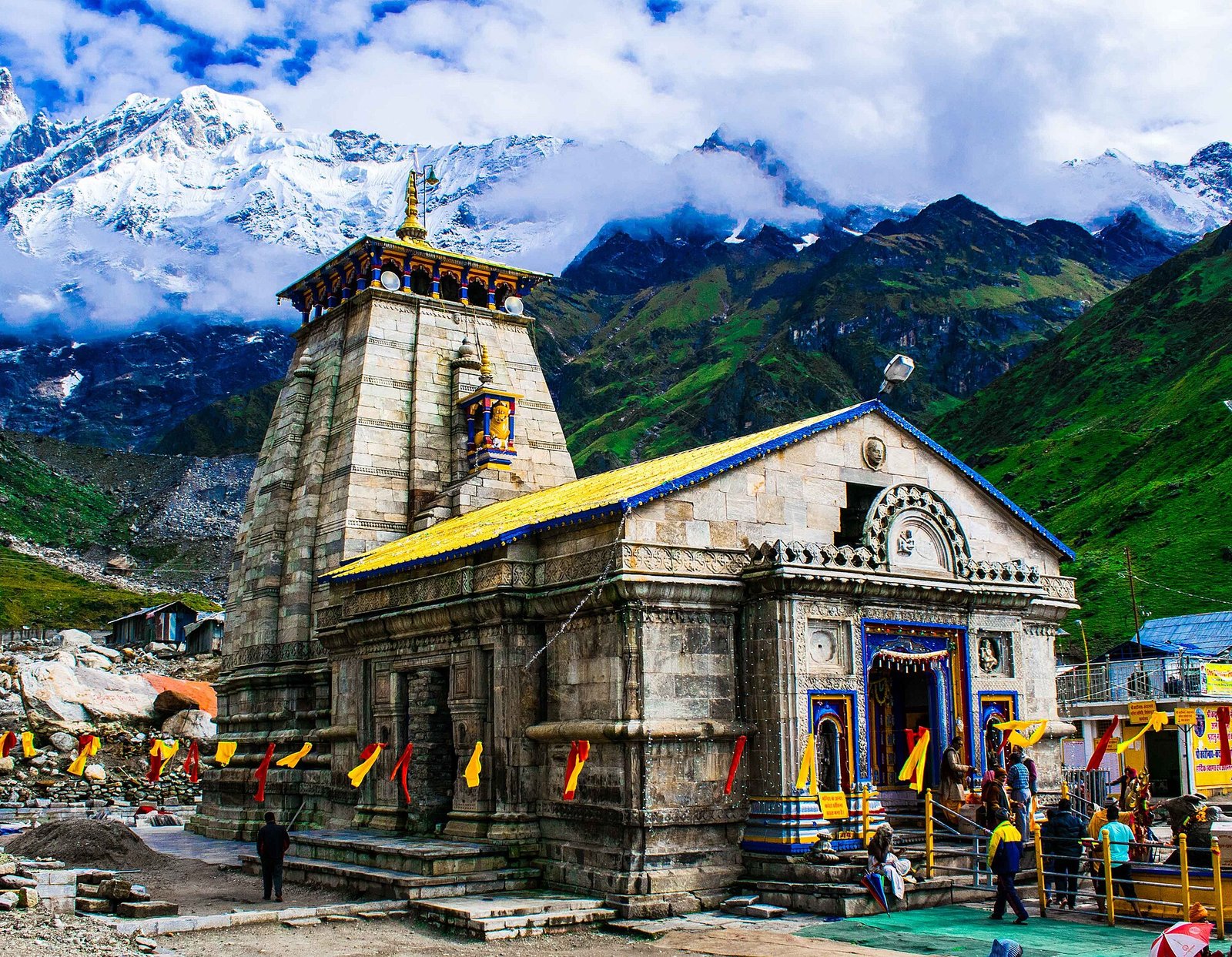
Quick answer: Pune families usually take the non-stop IndiGo flight to Dehradun, about two and a half hours, then begin an 11-day road yatra from Haridwar through Yamunotri, Gangotri, Kedarnath and Badrinath; with travel days that comes to about 13. No direct train runs to Haridwar, so rail means the twice-weekly Duronto to Delhi (about 21 hours). The best windows are late May–June and the weeks after Ganeshotsav.
Updated for the 2027 yatra season (facts checked October 2026)
Pune families come to the Char Dham with two things in their favour: a direct flight to Dehradun, and, very often, a habit of weekend treks in the Sahyadri. Both help. But the Garhwal Himalaya is a very different place from the Western Ghats, and the yatra needs its own planning. Here is how to travel from Pune, how many days to keep, and the local points that make a difference.
Pune to the Char Dham: travel options compared
| Option | Pune to start point | Yatra | Days, door to door |
|---|---|---|---|
| Direct flight Pune–Dehradun | Roughly 2.5 hours, then about 1 hour by road to Haridwar | 11 days from Haridwar | About 13 |
| Fly from Navi Mumbai or Mumbai | Drive to the airport, then about 2.5 hours to Dehradun | 11 days from Haridwar | About 13 |
| 12264 Pune–Hazrat Nizamuddin Duronto (twice weekly) | About 21 hours to Delhi | 12 days from Delhi | About 15 |
| Via Mumbai on the Bandra Terminus–Haridwar Express | Road or rail to Bandra, then about 32 hours | 11 days from Haridwar | About 15 to 16 |
| Flight plus helicopter Char Dham | Roughly 2.5 hours to Dehradun | 6 days from Dehradun | About 8 |
Journey times are rounded. Trains change running days and airlines revise routes, so recheck on IRCTC or the airline’s site before you pay.
Flying: Pune, Navi Mumbai or Mumbai?
IndiGo lists Pune among its direct routes from Dehradun’s Jolly Grant airport, and for most Pune families this is the obvious choice: no change of plane, and Haridwar an hour’s drive from arrival. If the Pune flight is full or the timing does not suit, the new Navi Mumbai airport, which also has a listed Dehradun route, is closer to Pune than Mumbai’s main airport, and Mumbai itself has several daily options. Allow for the expressway drive and the airport check-in when comparing.
- Choose a flight that reaches Dehradun by early afternoon, so you can rest in Haridwar before the long drive to Barkot on Day 2.
- Book the return for the day after the yatra ends, not the same evening.
- Keep a jacket and medicines in your cabin bag. You will need the jacket the moment you reach the hills.
Going by train
We could not find a direct train from Pune to Haridwar or Dehradun. The fastest rail link to Delhi is the Pune–Hazrat Nizamuddin Duronto, about 21 hours, which runs twice a week. Daily long-distance trains to Delhi take a little over a day. From Delhi, our 12-day yatra starts with a pickup in Delhi at a point agreed when you book. Families who love rail travel sometimes go to Mumbai and board the daily Bandra Terminus–Haridwar Express, about 32 hours, which brings you straight to Haridwar. Reservations open 60 days ahead.
Sahyadri treks vs the Himalaya: what is different
If your family treks to Sinhagad, Rajgad or Harishchandragad, you already know how to walk uphill, pace yourselves and carry a light bag. That is a real advantage on the 16 km Kedarnath path and the 6 km walk to Yamunotri. But two things are different:
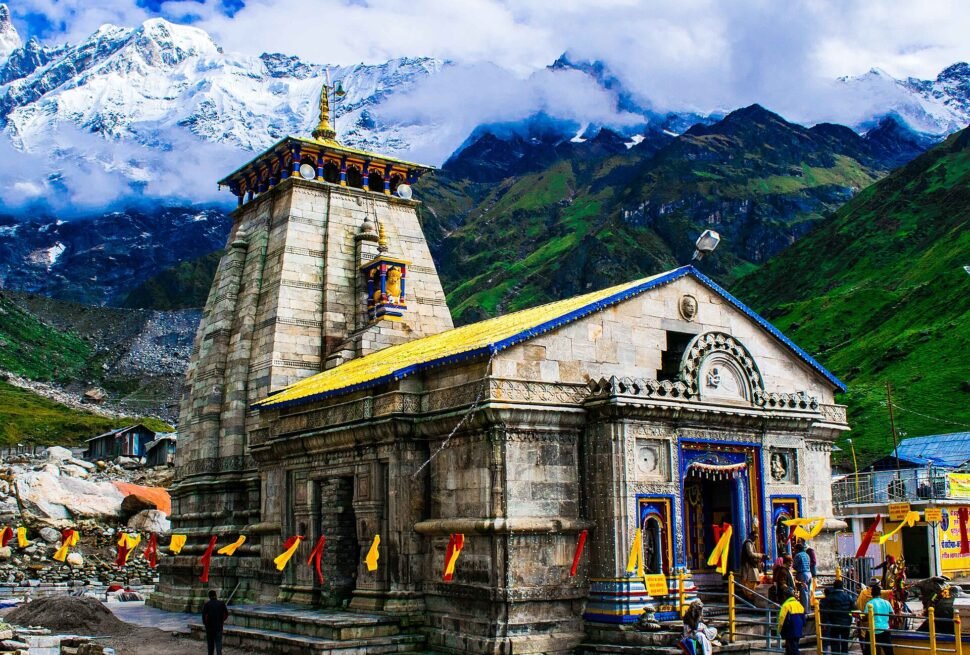
- Altitude. Kalsubai, the highest peak in Maharashtra, is about 1,646 metres. Kedarnath is about 3,583 metres, more than twice as high. The air holds noticeably less oxygen, and even fit people feel breathless and get headaches if they climb too fast. Walk at a steady, conversational pace, drink water, and do not race ahead of your group.
- Cold. Monsoon treks in the Sahyadri are wet but mild. Kedarnath nights are near freezing in May and below freezing in October. Thermals, a padded jacket, cap and gloves are essential, not optional.
For seniors who do not trek, the advice is simpler: see a doctor a month before, start daily walks, and plan a pony, palki or helicopter at Kedarnath. Our Kedarnath trek route guide and senior citizen guide go into detail.
When should Pune families travel?
- Late May to mid-June: Maharashtra’s school holidays, warm valleys and cool shrines. Busy, so book early.
- Late June to mid-September: rain at home and in the hills. In Uttarakhand this is landslide season, so leave it out if elders are travelling.
- After Ganeshotsav: once Pune’s ten days of Ganpati (from 4 September 2027 to Anant Chaturdashi) are over, the second half of September and early October offer washed-clean skies and quieter shrines.
- Before Diwali: with Diwali on 29 October 2027 and the shrines shutting for winter soon after, about 22 October is a sensible last day for darshan.
Plan your leave around a provisional window and confirm it in March. The 2027 opening days for Badrinath and Kedarnath will be fixed in February and early March, and Yamunotri and Gangotri traditionally follow Akshaya Tritiya in early May. Our best time guide explains each month.
Food and comfort on the road
Meals on the yatra are simple north Indian vegetarian: dal, rice, roti and sabzi. Breakfast is often aloo paratha, poha or bread. Pune families often pack chakli, bhakarwadi, ladoos and a jar of metkut or chutney to brighten plain meals, and these keep well for days. If anyone fasts on Ekadashi or Sankashti, carry your own fasting food, as sabudana and similar items are scarce in the hills. Our packing list covers clothing and medicines.
Registration and Kedarnath helicopter
There are two pieces of paperwork. First, the free Uttarakhand government registration, which every yatri needs and which we help you file using your photo ID. Second, only if you want to fly to Kedarnath, an IRCTC HeliYatra ticket, which asks for that registration number. Our registration guide and helicopter booking guide explain both.
What it costs
Budget in two parts. Part one is our Haridwar package, from ₹50,000 per person for 11 days, which takes care of rooms, breakfast and dinner, the vehicle and driver, permits and registration. Part two is everything outside it: the flight or train from Pune, lunches, ponies or palkis, the Sonprayag shuttle jeep, any helicopter seat, puja, insurance and GST.
How we can help
If your group mixes keen trekkers and grandparents, we can plan Kedarnath so that the walkers can climb at their own pace while elders ride or fly and meet them at the top. Most families fly in and take our 11-day road yatra from Haridwar; Duronto travellers can start with our Delhi departure, and those with only a week can look at the 6-day helicopter Char Dham. All options are under Char Dham yatras. To plan your dates, use the enquiry form on this page or call/WhatsApp us (numbers on our Contact page).
Frequently asked questions
Is there a direct flight from Pune to Dehradun?
Yes, IndiGo flies Pune–Dehradun non-stop, which is the quickest start for Pune families: roughly two and a half hours, then an hour by road to Haridwar. When that flight is full or badly timed, Navi Mumbai and Mumbai airports are the fallback, both with Dehradun routes. Airline timetables change, so recheck before booking.
Is there a direct train from Pune to Haridwar?
We could not find one. The quickest rail link to Delhi is the Pune–Hazrat Nizamuddin Duronto, about 21 hours, running twice a week; from Delhi you can join our 12-day yatra. Alternatively, travel to Mumbai and take the daily Bandra Terminus–Haridwar Express, which takes about 32 hours to Haridwar.
How many days does the Char Dham Yatra take from Pune?
Count on roughly 13 days with the direct Pune–Dehradun flight, because our road yatra from Haridwar itself is 11 days. Going by train adds about two days: around 15 via the Duronto and Delhi, and 15 to 16 via Mumbai. Families who choose flights plus the 6-day helicopter Char Dham are home in about 8 days.
We trek regularly in the Sahyadri. Will Kedarnath be easy?
Your stamina will help a lot, but the altitude is different. Kedarnath is about 3,583 metres, more than twice the height of Kalsubai, so breathlessness and headaches can affect even fit walkers who climb fast. Walk at a steady pace, drink water, and take a night at Kedarnath rather than climbing and descending 32 km in a day.
When should Pune families go, given Ganeshotsav?
Ganesh Chaturthi falls on 4 September 2027 and Pune’s festival runs about ten days. Many families travel from the second half of September to about 22 October, when the monsoon has eased and the views are clear. Late May to mid-June is the other good window. Avoid July and August, when landslides are common.
What food should we carry from Pune?
Hill meals are plain north Indian vegetarian. Snacks such as chakli, bhakarwadi and ladoos, plus a jar of metkut or chutney, keep well and make plain meals more enjoyable. If anyone keeps Ekadashi or another fast, carry sabudana or your usual fasting food, as it is hard to find beyond Rishikesh.
Can elderly parents from Pune do the Char Dham Yatra?
Many do, and the ones who enjoy it most prepare. A doctor’s clearance a month ahead, daily walks, dates outside the rainy season, and a pony, palki or helicopter seat booked for Kedarnath are the essentials. The 11-day pace, with a night at the shrine, is far kinder than rushing. Keep medicines and a jacket in their hand bag.