Quick answer: Jageshwar Dham is a group of more than a hundred ancient stone Shiva temples in a deodar forest beside the Jata Ganga stream, about 35 km from Almora in Kumaon, Uttarakhand, at roughly 1,870 metres. The main shrine is Jageshwar (Jagnath) Mahadev, and the Mahamrityunjaya temple is one of the largest. Many devotees honour Jageshwar as the Nageshwar Jyotirlinga, while others place Nageshwar at Dwarka or Aundha.
Updated for the 2027 yatra season (facts checked November 2026).
| Location | Almora district, Kumaon, Uttarakhand |
|---|---|
| Altitude | About 1,870 metres |
| Distance from Almora | About 35 km by road |
| Nearest railway | Kathgodam, about 125 km |
| Nearest airport | Pantnagar |
| Summer timings | About 4:30 am to 7:30 pm |
| Winter timings | About 5 am to 6 pm |
| Open | All year; busiest in Shravan (July–August) and on Mahashivratri |
Jageshwar is the most important Shiva dham of Kumaon. Families from across Kumaon come here for rudrabhishek and Shravan puja, and some yatris heading to Adi Kailash add it on the way up. This guide covers what you will see, the jyotirlinga question, how to reach and how to plan darshan.
This page is part of our 10 Famous Temples in Haridwar guide. Planning the yatra? See our North India yatra packages.
Where is Jageshwar Dham and how do you reach it?
Jageshwar lies in Almora district, north-east of Almora town, in a narrow valley thick with deodar trees. The road from Almora heads towards Pithoragarh and then turns off into the Jata Ganga valley. On the way you pass the Chitai Golu Devta temple close to Almora.
- From Almora: about 35 km by road.
- Nearest railway station: Kathgodam, about 125 km away.
- Nearest airport: Pantnagar, with Delhi as the main long-distance gateway.
- Altitude: about 1,870 metres, so mornings and evenings are cool for most of the year and cold in winter.
Roads in Kumaon are narrow and winding. Elders and children who get motion sickness do better with an early start and a break at Almora.
Is Jageshwar one of the 12 Jyotirlingas?
This is the question most people ask, and the honest answer is that tradition is divided. The Dwadasha Jyotirlinga Stotram places the eighth jyotirlinga, Nageshwar, at Nagesham Darukavane, “Nagesh in the Daruka forest”. Three places are honoured as that seat:
| Temple | State | Why devotees link it with Nageshwar |
|---|---|---|
| Nageshwar, near Dwarka | Gujarat | The most widely accepted location, linked with the story of the demon Daruka and the devotee Supriya. |
| Aundha Nagnath | Maharashtra | Honoured by many devotees in Maharashtra and the Deccan as the true Nagnath. |
| Jageshwar, near Almora | Uttarakhand | Devotees read Daruka-vana as the deodar (daru) forest that surrounds the temples. |
The temple’s own website, run on the Uttarakhand government domain, describes Jageshwar as the eighth jyotirlinga and cites the Skanda Purana and Linga Purana. Most all-India jyotirlinga lists, however, name the Dwarka temple. We do not take sides. If your sankalp is to complete all twelve, follow the tradition of your family or guru, and remember that many families visit more than one of these temples out of devotion. Our Nageshwar Jyotirlinga guide explains the Dwarka temple, and the 12 Jyotirlinga list shows where else tradition differs.
What will you see inside the Jageshwar temple complex?
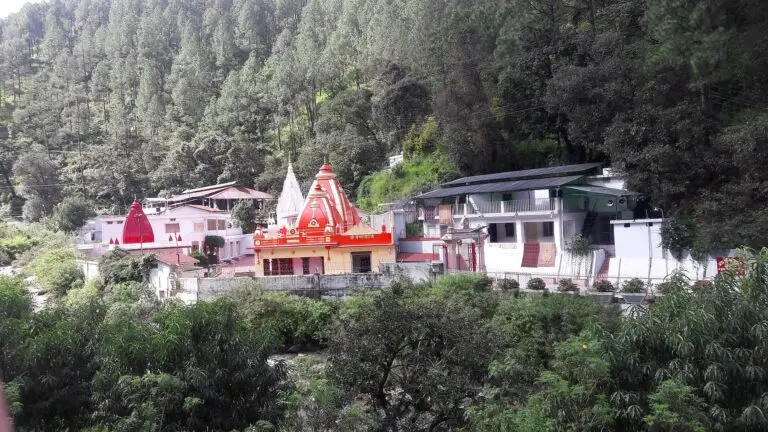
The main complex is a walled courtyard packed with stone temples of different sizes, most in the Nagara style with curved towers. Counts differ by source: the temple’s site speaks of more than 125 big and small temples in the complex, with 124 small temples around the main shrine, Incredible India says over 125, and ASI records are reported to number 124 monuments in the Jageshwar group and 15 more in the nearby Dandeshwar group. Scholars date most of them roughly between the 7th and 14th centuries.
Shrines most yatris look for:
- Jageshwar (Jagnath) Mahadev, the main temple, where Shiva and Parvati are worshipped together in the linga.
- Mahamrityunjaya temple, one of the largest in the group, where many families have the Mahamrityunjaya jaap done for the health of a loved one.
- Pushti Mata (Pushti Devi), the Devi shrine of the complex.
- Kuber temple, near Brahma Kund.
- Surya, Navagraha, Lakulisha, Kedarnath, Navadurga and Batuk Bhairav shrines, all within or close to the main courtyard.
The ASI looks after the site and runs a small museum near the temples with old stone sculptures, known especially for a metal image of a local ruler called Pona Raja. Check the museum’s opening days and hours locally before you go.
Many people say Adi Shankaracharya visited and restored temples here before going on to Kedarnath. This is a strong local belief; historians note there is no inscription to prove it, so treat it as tradition.
What is the traditional order of darshan at Jageshwar?
The temple website describes an order that local priests follow, starting with a bath or aachman at Brahma Kund. In short:
- Snan or aachman at Brahma Kund.
- Darshan of the Jageshwar jyotirlinga.
- Dakshin Mukhi Hanuman, then the Surya and Navagraha shrines.
- Pushti Mata, then Mahamrityunjaya.
- Lakulisha, Tarkeshwar, Kedarnath and Navadurga.
- Back to the main jyotirlinga, then Batuk Bhairav and finally Kuber.
Pujas such as rudrabhishek and Mahamrityunjaya jaap are booked at the counter inside the complex. Rates are set by the temple, so ask there and pay only at the official counter.
What are Jageshwar temple timings, and when should you go?
India’s official tourism portal lists darshan from about 4:30 am to 7:30 pm in summer and about 5 am to 6 pm in winter, with the evening aarti at closing time. Timings can change on festival days, so confirm locally.
The temples are open all year. The two big occasions are the Shravan month (July–August), when the Jageshwar monsoon mela draws large crowds for jal abhishek, and Mahashivratri in February or March. For a calm darshan, spring and autumn weekdays are easiest. Winter is cold but clear, and the monsoon brings landslide risk on Kumaon roads.
Which other temples can you add to a Jageshwar visit?
- Dandeshwar temples, a second group of old Shiva temples on the approach road, a short distance before the main complex.
- Vriddha Jageshwar, a hilltop temple above the valley, traditionally reached by an uphill walk.
- Chitai Golu Devta, about 8 km from Almora, known for its bells and written petitions; see our Golu Devta temple guide.
- Patal Bhuvaneshwar, the cave temple near Gangolihat, a long hill drive from Jageshwar; see our Patal Bhuvaneshwar guide.
- Kainchi Dham, Neem Karoli Baba’s ashram, on the road between Kathgodam and Almora.
Related guides: Purnagiri temple guide
How Yatra To Temples can help
Jageshwar is in Kumaon, so it is planned separately from Garhwal yatras. Our Kumaon Mandir and Devi Darshan Yatra includes Jageshwar Dham along with Devidhura and Chitai Golu Devta, starting from Pantnagar or Lalkuan/Kathgodam, with a private vehicle, an experienced hill driver, hotels and a coordinator on call. Pujas at Jageshwar are booked and paid at the temple counter. Our Adi Kailash and Om Parvat Yatra from Kathgodam does not include Jageshwar as standard; if you would like to add it, ask us when you enquire. Our road Char Dham yatra starts and ends at Haridwar and is a separate plan. To enquire, fill in the form or call/WhatsApp us (numbers on our Contact page). For official details see the Jageshwar temple website.
Latest yatra updates
Frequently asked questions
Where is Jageshwar Dham located?
Jageshwar Dham is in Almora district of Uttarakhand, in the Kumaon hills, about 35 km from Almora town. The temples stand in a deodar forest beside the Jata Ganga stream at about 1,870 metres. The nearest railway station is Kathgodam, about 125 km away.
Is Jageshwar a Jyotirlinga?
Many devotees, and the temple itself, honour Jageshwar as the Nageshwar Jyotirlinga, reading “Darukavana” in the stotram as the deodar forest of Kumaon. Most all-India lists place Nageshwar near Dwarka in Gujarat, and some devotees honour Aundha Nagnath in Maharashtra. Follow your own family or guru tradition.
How many temples are there in Jageshwar?
Sources give different numbers. The temple’s site speaks of more than 125 big and small temples in the complex, including 124 small temples around the main shrine, and ASI records are reported to list 124 protected monuments in the Jageshwar group plus 15 in the nearby Dandeshwar group. Most people simply say more than a hundred temples, which is accurate.
What is the best time to visit Jageshwar temple?
The temple is open all year. Spring and autumn give pleasant weather and smaller crowds. Shravan and Mahashivratri are the most auspicious times but also the busiest. Winter is cold and the monsoon can bring landslides on Kumaon roads, so leave buffer time.
How far is Jageshwar from Kathgodam and Almora?
Jageshwar is about 35 km from Almora and about 125 km from Kathgodam railway station. The drive from Kathgodam usually goes via Bhowali and Almora, and many families combine it with Kainchi Dham and the Chitai Golu Devta temple on the same road.
Can Jageshwar be combined with the Adi Kailash yatra?
It can be. Jageshwar is a short detour from the Almora–Pithoragarh road, which is one of the road routes towards Dharchula and Adi Kailash. It is not part of our standard Adi Kailash itinerary, so if you want darshan at Jageshwar on the way up, ask us when you enquire and our team will tell you whether it fits your dates.
Sources
- Jageshwar Mandir Prabandhan Samiti, Uttarakhand – About Temple
- Incredible India, Ministry of Tourism – Jageshwar Dham
- Archaeological Survey of India, Dehradun Circle – Almora monuments
Related guides
 10 Famous Temples in Haridwar: Darshan Timings & Guide
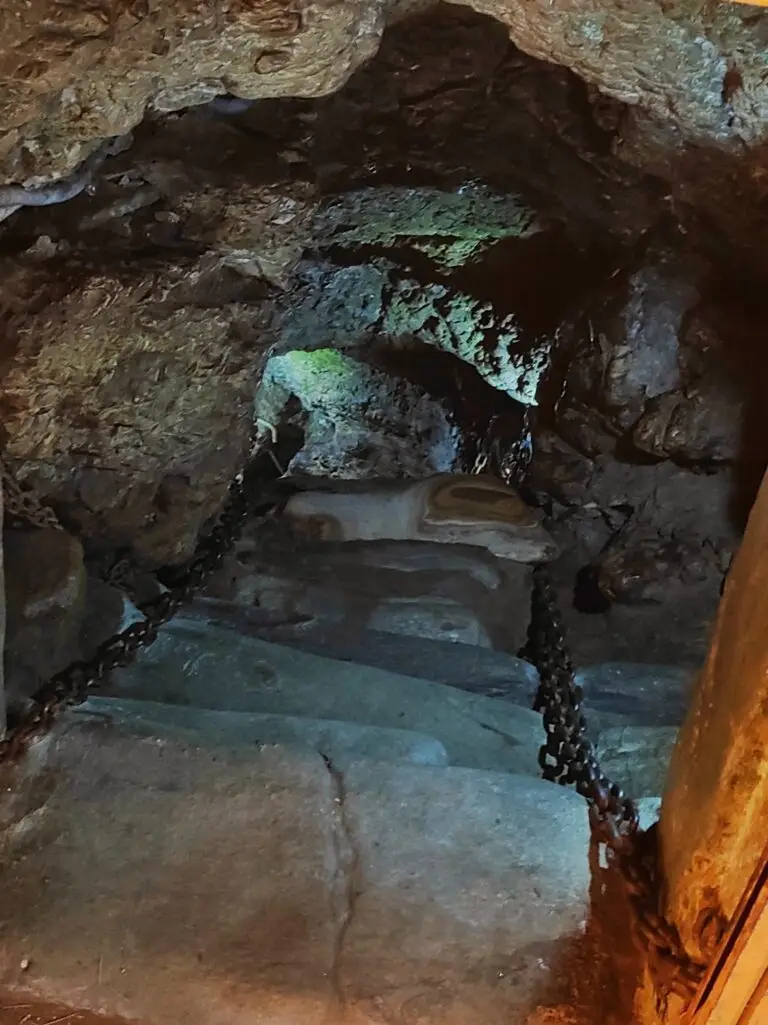 Patal Bhuvaneshwar Cave Temple: Guide and How to Reach
 Kainchi Dham: Timings, How to Reach, 15 June Mela
More on Haridwar, Rishikesh and Uttarakhand temples: Patal Bhuvaneshwar Cave Temple · Kainchi Dham · Golu Devta Temple Chitai · Haridwar Kumbh 2027 · Surkanda Devi Temple · Neelkanth Mahadev Temple Rishikesh · Kunjapuri Temple · 10 Famous Temples in Dehradun · Dhari Devi Temple Guide · North India yatra packages