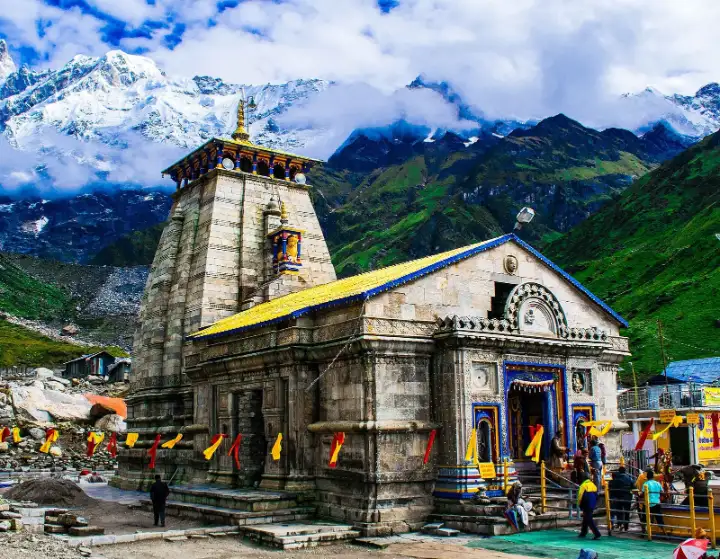
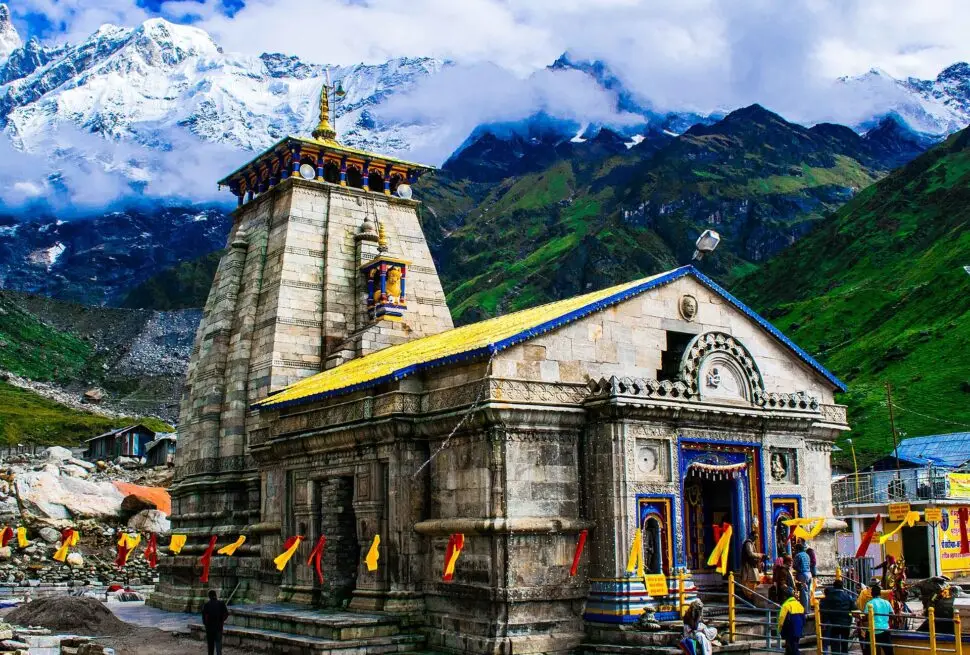
Quick answer: Rudranath is the fourth of the Panch Kedar temples in Chamoli, Uttarakhand, where Lord Shiva is worshipped in the form of his face. It sits at roughly 3,600 m and is reached only on foot. The most used trail starts at Sagar village near Gopeshwar and is reported at about 18–21 km one way, climbing over meadows to Pitradhar before dropping to the temple.
Updated for the 2027 yatra season (facts checked November 2026).
| Location | Chamoli, Uttarakhand; fourth of the Panch Kedar |
|---|---|
| Height | About 3,600 m (around 11,800 ft) |
| Trek start | Sagar village near Gopeshwar |
| Trek length | About 18–21 km one way from Sagar |
| Difficulty | Moderate to difficult; often called the hardest Panch Kedar trek |
| Opening and closing | Usually opens mid to late May, closes mid-October |
| Permit | Online forest permit from Kedarnath Wildlife Division; carry original ID |
| Winter seat | Gopinath temple, Gopeshwar |
Of the five Kedars, Rudranath asks the most from the feet and gives back the quietest darshan. There is no road or helicopter, only a long walk through forest and open bugyals to a small natural rock shrine. This guide covers the route stage by stage, the seasons, the forest permit and how to prepare, so your family can plan calmly. For a short overview of all five temples, see our Panch Kedar trek guide.
This page is part of our Panch Kedar Yatra Guide. Planning the yatra? See our Panch Kedar yatra packages.
Why is Rudranath temple important?
The story goes back to the Mahabharata. After the war at Kurukshetra, the Pandavas wanted Lord Shiva’s forgiveness for the killing of their own kin. Shiva did not wish to meet them, so he took the form of a bull and hid in the Garhwal hills. When Bhima recognised him and tried to hold him, the bull sank into the earth, and parts of it appeared at five places. These five places are the Panch Kedar:
- Kedarnath – the hump
- Tungnath – the arms
- Rudranath – the face (mukh)
- Madhyamaheshwar – the navel and stomach
- Kalpeshwar – the hair (jata)
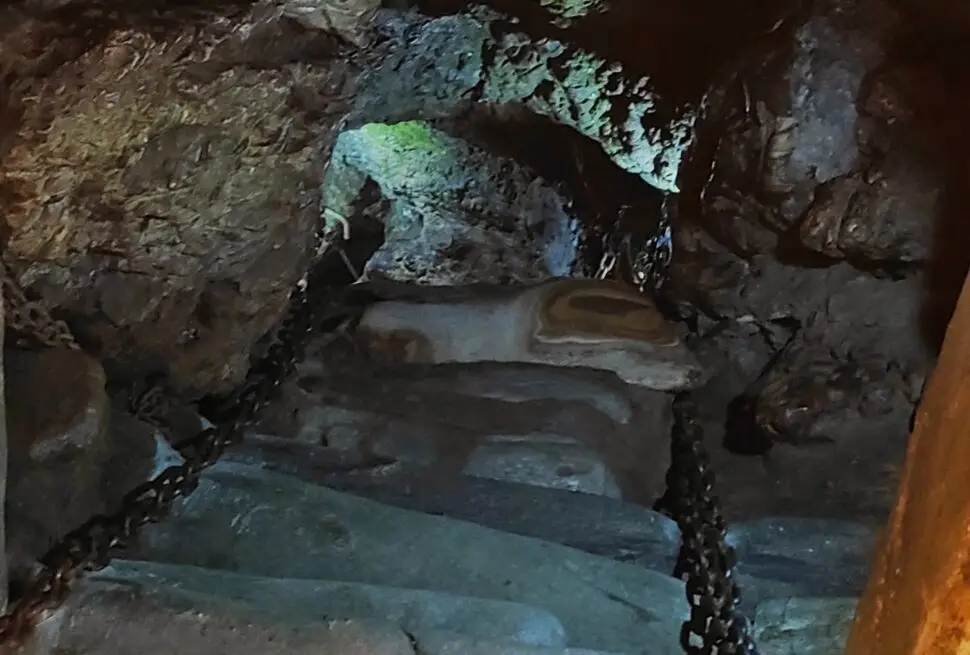
At Rudranath, Shiva’s face is worshipped in a natural rock shrine, as Ekanan (the one-faced form), and he is also called Neelkanth Mahadev here. Near the temple flows the Vaitarani (also called Rudraganga), which is seen as the river of moksha; many families offer pind daan here for their ancestors. Small sacred kunds such as Surya Kund, Chandra Kund and Tara Kund lie close by. The priests come from the Bhatt and Tiwari families of Gopeshwar.
What is the altitude of Rudranath temple?
Most trekking and travel sources put the temple at about 3,600 m (around 11,800 ft). A few pages give different figures (the Chamoli district page even says 2,290 m, which does not fit the climb), so treat 3,500–3,600 m as the working range. The highest point on the Sagar trail is Pitradhar ridge, reported at about 3,900–4,000 m, which is higher than the temple itself. Sagar village, where the walk begins, is at roughly 1,700–1,800 m. That means a climb of around 2,000 m or more, which is the main reason this yatra needs fitness and care against altitude sickness.
Which is the Rudranath trek route from Sagar? (stage by stage)
The Sagar route is the one most pilgrims use, and the one our Rudranath Darshan Yatra follows on the way up. Distances below are approximate and differ from source to source, because the trail has no official markers.
| Stage | Reported distance (approx.) | What to expect |
|---|---|---|
| Sagar → Chandrakoti → Pung Bugyal | 3–4 km | Village fields, then a steep, rocky climb through forest. Forest permits are checked at the post near Sagar before you start. |
| Pung Bugyal → Ghimghima Pani → Lyuti Bugyal | 4–5 km | Steady climb through oak and rhododendron. Lyuti is reported at around 2,800–3,000 m and has simple stay options. |
| Lyuti Bugyal → Panar Bugyal | 2–4 km | Rocky uphill out of the tree line into open meadow, with wide views of the high peaks on a clear day. |
| Panar Bugyal → Pitradhar | 2–3 km | The highest and most exposed part. The name comes from pitra (ancestors), and many pilgrims pause here to remember their forefathers. |
| Pitradhar → Panchganga | 1–3 km | Mostly level or gently downhill along the ridge. |
| Panchganga → Rudranath temple | 1–4 km | Gentle descent to the temple, with snow peaks in view on a clear day. |
Put together, sources report the one-way distance from Sagar to the temple at about 18–21 km; the Chamoli district page rounds it to 20 km. Most walkers break it with a night on the trail; how you split it depends on pace, age and weather.
Are there other routes to Rudranath?
Yes. Two other trails are commonly used. All are longer or harder than the Sagar route, and local conditions change every year, so confirm the state of the path before choosing one.
- Mandal and Anusuya Devi route: Mandal village is on the Gopeshwar–Chopta road (reported about 13 km from Gopeshwar). The path climbs past the Anusuya Devi temple and over the Naola (Naula) Pass to Rudranath. It is often described as steep and strenuous. Our Rudranath yatra uses this side for the way down, passing Anusuya Devi temple on the descent to Mandal.
- Urgam valley and Kalpeshwar route: This joins Rudranath with Kalpeshwar, the fifth Kedar. The trail runs from Helang into the Urgam valley, then over high ground via Bansi Narayan and Dumak to Panar, where it meets the Sagar trail. It is a longer high-altitude trek, best for fit walkers with a full support team.
How difficult is the Rudranath trek?
Rudranath is usually rated moderate to difficult, and many experienced walkers call it the hardest of the Panch Kedar treks. The reasons are simple: the climb is long and steep in places, the path is rocky with big steps, and above the tree line there is little shelter from rain, wind or sun. Ponies are not always practical on the narrow, slippery sections.
It is still done every year by ordinary devotees, including older pilgrims, who take it slowly. If you or your parents want to go, start preparing at least a month or two ahead:
- Walk daily, building up to several hours, and include stairs or hill slopes.
- See a doctor before the yatra if you have heart trouble, high blood pressure, diabetes, asthma or knee problems. Ask specifically about high-altitude walking.
- If Rudranath feels like too much, Tungnath is a much shorter Panch Kedar walk and a good first step.
When does Rudranath temple open and close?
Rudranath is a summer shrine. Each year the opening date is announced on Basant Panchami at the Gopinath temple in Gopeshwar, the winter seat of Lord Rudranath. In recent years the doors have opened in mid to late May (18 May in both 2025 and 2026, as reported by news agencies). The doors usually close in mid-October; in both 2024 and 2025 they closed on 17 October. The 2027 dates will be announced by the temple side around Basant Panchami, so please check before you fix travel.
When the doors close, the chal vigraha (moving form) of Lord Rudranath is carried in a doli from the temple down to the Gopinath temple, Gopeshwar, where daily puja continues through the winter months. If you visit Gopeshwar in winter, you can have darshan of Lord Rudranath there.
What is the best time for the Rudranath trek?
| Period | What it is like |
|---|---|
| Opening (late May) to end of June | Clearer skies and the most popular window. Early in the season some snow may remain near Pitradhar. |
| July to August (monsoon) | Meadows are green and flowers bloom, but the trail is slippery, leeches are common and landslides can block roads. Most guides advise caution or avoiding this period. The Shravan Purnima (Raksha Bandhan) mela is held at the temple in this season. |
| September to closing (mid-October) | Rain eases and views are often very clear. Nights get cold, especially in October. |
Do you need a permit or forest fee for Rudranath?
Yes. The trail passes through the Kedarnath Wildlife Sanctuary, so walkers must register with the Kedarnath Wildlife Division of the Uttarakhand Forest Department and pay a forest fee. The division’s official trek permit FAQ says bookings are made online, each walker must carry the permit and an original ID (Aadhaar, passport or driving licence), and no one may start a trek after 2:00 PM. A per-person forest entry fee is charged; please check the current amount on the official portal before travel. The Char Dham yatra registration does not replace this forest permit.
The forest department is strict about waste. Carry all plastic and wrappers back down with you.
Where do you stay on the Rudranath trek?
Stay on this route is basic. Sagar and Mandal have small guesthouses and homestays. On the trail, local families and village eco-development committees run simple stone huts, tents and dhabas at places such as Lyuti Bugyal and Panar, and there are a few very basic rooms near the temple. Expect shared space, floor mattresses, simple dal-chawal-roti meals and no proper toilets near the temple. Rules on where camping is allowed in the meadows can change, so confirm stay points with the forest department or your yatra team before you go.
How to reach Sagar village from Haridwar or Rishikesh?
There is no train or flight close to the trail. The usual way is by road:
- Haridwar → Rishikesh – start early in the morning.
- Rishikesh → Devprayag → Srinagar → Rudraprayag – along the Alaknanda valley.
- Rudraprayag → Karnaprayag → Chamoli → Gopeshwar – Gopeshwar is the district town and the last big market.
- Gopeshwar → Sagar – a short drive to the trailhead. Shared jeeps and taxis run from Gopeshwar.
The Chamoli district administration’s Rudranath page puts Gopeshwar at roughly 241 km by road from Rishikesh (its figures are approximate). Hill roads are slow, so most families reach Sagar by evening and walk the next morning. The nearest airport is Jolly Grant, and the nearest major railheads are Haridwar and Rishikesh.
How to stay safe from altitude sickness on Rudranath?
Going from about 1,700 m to nearly 4,000 m in a day or two is a big jump for the body. Headache, nausea, loss of appetite, breathlessness at rest and unusual tiredness are warning signs. Walk slowly, drink enough water, avoid alcohol and smoking, and do not push on if someone feels unwell; going down is the best treatment. Read our altitude sickness guide for yatris before you travel.
What to pack for the Rudranath trek?
- Trekking shoes with good grip (already worn in), plus two or three pairs of woollen socks
- Warm layers: thermal inner, fleece and a padded or down jacket, even in May or June
- Rain jacket or poncho and a cover for your backpack
- Woollen cap, gloves, sunglasses and sunscreen
- A walking stick or trekking pole
- Water bottle, dry fruits and glucose or ORS packets
- Torch or headlamp
- Personal medicines, plus basic ones for headache, fever, acidity and pain (as advised by your doctor)
- Original photo ID and a printed or saved copy of your forest permit
- Some cash, since phone signal is patchy and there are no ATMs on the trail
Related guides: Kalpeshwar temple guide
How Yatra To Temples can help
Our yatra team plans Rudranath end to end. The Rudranath Darshan Yatra starts and ends at Haridwar, goes up from Sagar via Pung, Lyuti and Panar Bugyal and Pitradhar, and comes down by the Naola Pass side past Anusuya Devi temple to Mandal. It includes vehicle transfers, guesthouse and tented stays, vegetarian meals on the trek, a local trek guide with cook and support staff, camping gear, and the forest registration and entry fee. Ponies and porters are not included and are paid separately; ask us if you need help finding them.
If you wish to complete all five Kedars together, see the Panch Kedar Darshan Yatra from Haridwar. Prices are on request. For dates, group needs or any special requirement, ask us on our contact page or write to shiva@yatratotemples.in.
Latest yatra updates
Frequently asked questions
How long is the Rudranath trek?
Sources report the Sagar route at about 18–21 km one way to the temple. Most pilgrims split the climb with a night on the trail, and the total time depends on your pace, the weather and the return route you choose.
Can senior citizens do the Rudranath yatra?
Some older pilgrims do complete it, but it is the toughest of the Panch Kedar walks. Get a medical check first, train for several weeks, keep extra time for rest, and travel with a guide who carries oxygen and a pulse oximeter.
Is a pony or palki available for Rudranath?
Ponies and porters can sometimes be hired at Sagar, but the trail is narrow and rocky, and some sections are not comfortable on a pony. Ask locally or ask us about current availability before relying on one.
Is there mobile network on the Rudranath trek?
Signal is patchy. Some networks work at points along the trail, but long stretches have none, so share your plan with family before you start.
Where is Lord Rudranath worshipped in winter?
After the doors close in October, the doli of Lord Rudranath comes down to the Gopinath temple in Gopeshwar. Daily worship continues there until the temple reopens in summer.
Related guides: Rudranath opening and closing date
Do I need a permit for the Rudranath trek?
Yes. The trail passes through the Kedarnath Wildlife Sanctuary, so every walker must book an online forest permit with the Kedarnath Wildlife Division and carry it along with an original ID such as Aadhaar, passport or driving licence. No one may start a trek after 2:00 PM, and your Char Dham yatra registration does not replace this forest permit.
What is the best time to do the Rudranath trek?
The most popular window is from opening in late May to the end of June, when skies are clearer, though some snow may remain near Pitradhar early in the season. September to closing in mid-October often brings very clear views but colder nights. July and August are green and full of flowers, but the trail is slippery and landslides can block roads, so most guides advise caution.
Sources
- District Chamoli (NIC) – Rudranath Temple
- Kedarnath Wildlife Division, Uttarakhand Forest Department – Trek & Permit FAQ
- Free Press Journal (4 May 2026) – Rudranath To Open On May 18 After Winter Closure
- ThePrint / PTI (18 May 2025) – Doors of Rudranath temple in Chamoli opened for devotees
Related guides
 Panch Kedar Yatra: Order, Treks and Difficulty
 Rudranath Opening and Closing Date 2027: Kapat Dates
 Tungnath Closing Date 2026 (Closed 6 Nov) and Opening Date 2027
More on Panch Kedar: Rudranath Opening and Closing Date 2027 · Tungnath Opening and Closing Date · Madhyamaheshwar Temple Trek Guide · Tungnath Trek and Chandrashila · Madhmaheshwar Opening and Closing Date · Kalpeshwar Temple · Panch Kedar yatra packages