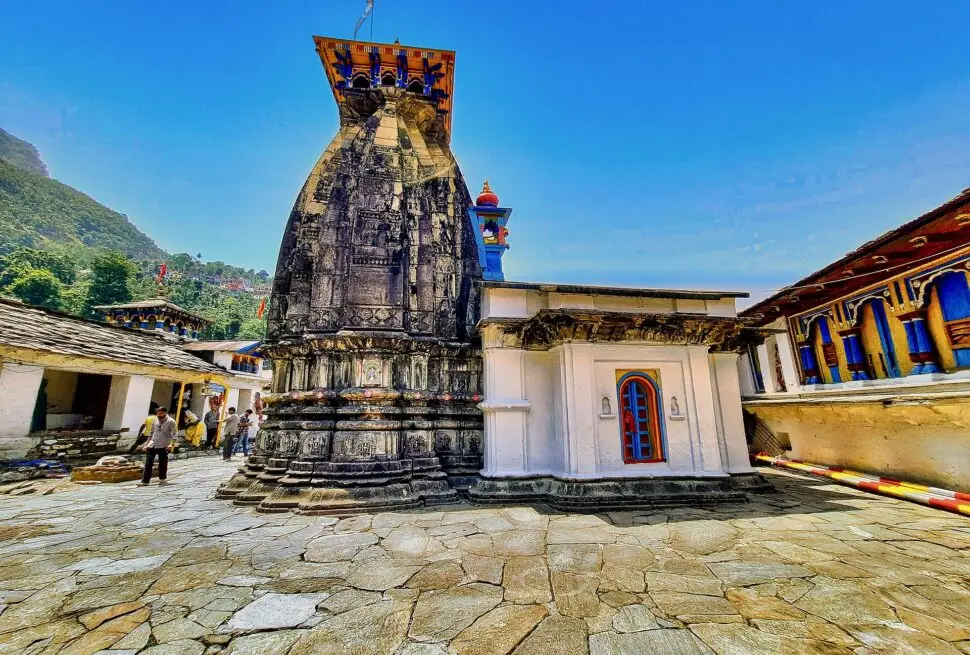
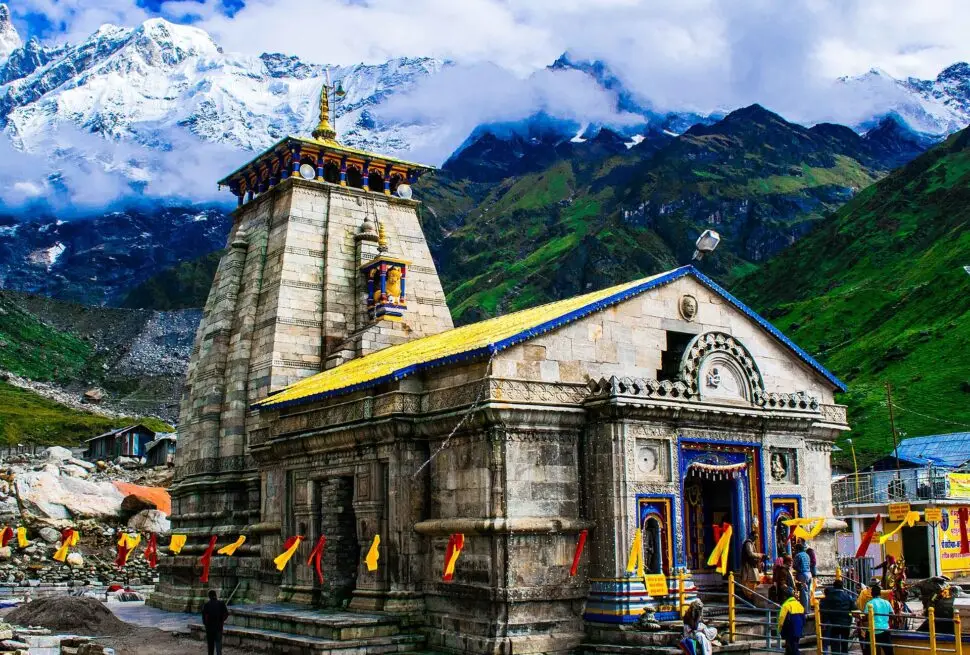
Quick answer: Naimisharanya (Nimsar) is a sacred forest tirth in Sitapur district, Uttar Pradesh, on the Gomti river. Tradition says 88,000 rishis gathered here and Sutji narrated the Puranas to them. Main places are Chakra Tirth, Lalita Devi Shakti Peeth, Vyas Gaddi, Hanuman Garhi and Raj Ghat. It is about 110 km from Lucknow by road, as per the Sitapur district website.
Facts checked November 2026.
| Location | Naimisharanya (Nimsar or Neemsar), Misrikh area, Sitapur district, Uttar Pradesh |
|---|---|
| River | Gomti, called Adi Ganga Gomti locally; Raj Ghat is on its bank |
| Main tirth | Chakra Tirth, a round sacred tank |
| Shakti Peeth | Lalita Devi Temple, counted among the 51 Shakti Peeths |
| From Lucknow | About 110 km by road (via Sitapur Road and Sidhauli, or via Hardoi Road, Sandila and Beniganj) |
| Nearest railway station | Naimisharanya station, on the Balamau to Sitapur line |
| Nearest airport | Lucknow |
| Misrikh (Dadhichi Kund) | About 10 to 12 km from Naimisharanya |
Naimisharanya is one of the oldest tirths of North India. Families come here for a dip at Chakra Tirth, darshan of Lalita Devi and a quiet day among ashrams linked to the Puranas. This guide explains why it is sacred, what to see, how to reach and how to plan one full day.
This page is part of our Kashi Vishwanath Darshan guide. Planning the yatra? See our Kashi and Ayodhya yatra packages.
Why is Naimisharanya so sacred?
Naimisharanya means “the Naimisha forest”. It appears in the Mahabharata, the Puranas and the Ramayana, and it is also counted among the 108 Divya Desams of Lord Vishnu, according to the Ministry of Tourism’s rural tourism portal.
The opening chapter of the Bhagavata Purana is set here. It describes the Naimisha forest as a sacred place of Vishnu, where sages led by Shaunaka held a long yagya. There they asked Suta (Sutji), who had learned the Puranas in the tradition of Ved Vyas, to tell them the sacred stories. The Sitapur district website adds the local belief that 88,000 rishis did tapasya here. So when people say “Sutji narrated the Puranas to 88,000 rishis at Naimisharanya”, they are repeating this old tradition.
The story of Chakra Tirth is told in two ways. The Sitapur district website and the rural tourism portal say Lord Brahma’s chakra fell here and formed a round kund, and that the chakra guided the sage Shaunaka and the rishis to this place for their tapasya. Devotees believe a bath here purifies body and mind.
What are the main places to visit in Naimisharanya?
Most of the main temples are close to Chakra Tirth, so you can walk between many of them. Misrikh needs a short drive.
- Chakra Tirth: The holiest spot of Naimisharanya, a round kund. Pilgrims take a dip or sprinkle the water. The old Bhooteshwar Nath Shiva temple stands on one side of the tank.
- Lalita Devi Temple: Lalita Devi is the presiding devi of Naimisharanya, and her temple is counted among the 51 Shakti Peeths. It is within walking distance of Chakra Tirth. The entrance has elephant statues on both sides. Panch Prayag, a sacred pond, is near this temple.
- Vyas Gaddi: Near Chakra Tirth. Tradition says Ved Vyas divided the Vedas into four parts here and composed the Puranas.
- Suta Gaddi: The seat where, by tradition, Sutji and the rishi Shaunaka held their discourse.
- Hanuman Garhi: Known for its large Hanuman idol. The local story says that after Hanuman defeated Ahiravan in Patal and freed Ram and Lakshman, he came out at Naimisharanya. Sunderkand path here is considered special.
- Raj Ghat (Dashashwamedh Ghat): A ghat on the Gomti. The evening aarti of Maa Gomti is held here, and a large satsang mandap is being built on the bank.
- Misrikh and Dadhichi Kund: About 10 to 12 km away. Maharishi Dadhichi is believed to have given his bones to Devraj Indra, who made the vajra from them to defeat Vritrasur. The kund is built on about 2 acres, with a Dadhichi temple beside it. People believe the waters of all tirths mix in it, which is how Misrikh got its name. Misrikh also has Sita Kund.
Other temples listed by the Sitapur district website include Manu Satrupa Tapasthali, Kali Peeth, Devpuri Temple (about 1.5 km from Chakra Tirth), Panchmukhi Hanuman near Lalita Devi, Dev Deveshwar Dham and Rudravart Mahadev (about 7 km from Chakra Tirth).
Naimisharanya places at a glance
| Place | Where | What to see or do |
|---|---|---|
| Chakra Tirth | Centre of Naimisharanya | Holy dip or achaman; Bhooteshwar Nath temple beside it |
| Lalita Devi Temple | Walking distance from Chakra Tirth | Shakti Peeth darshan; Panch Prayag pond nearby |
| Vyas Gaddi | Near Chakra Tirth | Seat linked to Ved Vyas and the Puranas |
| Suta Gaddi | Naimisharanya | Seat linked to Sutji and Shaunaka |
| Hanuman Garhi | Naimisharanya | Large Hanuman idol; Sunderkand path |
| Raj Ghat (Dashashwamedh Ghat) | Gomti bank | Evening Gomti aarti |
| Rudravart Mahadev | About 7 km from Chakra Tirth | Shiva temple |
| Dadhichi Kund, Misrikh | About 10 to 12 km away | Dadhichi temple and kund; Sita Kund |
How to reach Naimisharanya from Lucknow?
By road: The Sitapur district website gives the Lucknow to Naimisharanya distance as about 110 km. There are two common routes: via Sitapur Road and Sidhauli, or via Hardoi Road, Sandila and Beniganj. Regular buses run from Lucknow, Sitapur and Hardoi, and UP Tourism runs a bus service. A taxi from Lucknow is the easiest choice for families and elders.
By train: Naimisharanya has its own railway station on the Balamau to Sitapur line. The station is about 25 km from Sitapur. From Kanpur, people take a train to Balamau and change. From Lucknow, one option is a train to Sitapur and then a bus. Train timings on this line change, so check before you travel.
By air: The nearest airport is Lucknow. From there, go by road.
Many families combine Naimisharanya with Ayodhya or Kashi. See our Ayodhya Ram Mandir darshan guide and our guide on how many days to keep for Varanasi.
When should you plan your visit?
Pilgrims come through the year. Many families prefer the cooler months, because you walk a lot between temples and the summer here is hot. Temple timings are not published in one place, so plan darshan in daylight hours and confirm locally.
The busiest time is the parikrama season:
- 84 Kosi Parikrama: The Government of India’s festival portal lists the Naimisharanya 84 Kosi Parikrama as a yatra of 84 kos (about 275 km) that takes about 15 days. It starts early on a Friday morning with the beat of a danka, its first halt is at Korona, and it ends just before Holi. The Misrikh-cum-Neemsar Nagar Palika and SDM organise it. Exact dates for 2027 are not yet announced officially, so ask us closer to the time.
If you want a quiet darshan, avoid the parikrama days and big festival days. If you want to see the festival mood, plan for them but expect big crowds.
How can you cover Naimisharanya in one day?
Here is a simple one-day plan from Lucknow. Times are a guide only; road time depends on traffic.
| Time | Plan |
|---|---|
| Early morning | Leave Lucknow by car |
| Morning | Reach Naimisharanya; bath or achaman at Chakra Tirth; darshan at Bhooteshwar Nath |
| Late morning | Lalita Devi Temple and Panch Prayag; then Vyas Gaddi and Suta Gaddi |
| Midday | Simple lunch near Chakra Tirth |
| Afternoon | Hanuman Garhi; then drive to Misrikh for Dadhichi Kund |
| Evening | Gomti aarti at Raj Ghat, then drive back to Lucknow |
If you have elders with you or want to attend aarti without rushing, stay one night and do Misrikh the next morning.
What tips should families keep in mind?
- Carry a change of clothes and a towel for the Chakra Tirth dip.
- Wear footwear that is easy to remove; you will take it off at many temples.
- Keep elders hydrated and plan rest breaks; many places are a short walk apart, but the walking adds up.
- Carry some cash for prasad and small offerings.
- Ask temple staff before taking photos inside any sanctum.
- On parikrama and festival days, keep children close and fix a meeting point in case you get separated.
- Lalita Devi is a Shakti Peeth. If you are planning more Devi darshan, read our Shakti Peeth yatra guide.
How Yatra To Temples can help
Our Misrikh and Naimisharanya Tirth Yatra includes Chakra Tirth, Lalita Devi, the main ashram sites and Dadhichi Kund. If you want to add Ayodhya or Kashi, see our Kashi and Ayodhya yatras, and ask us about extra days, pujas or pickup.
Latest yatra updates
Frequently asked questions
Where is Naimisharanya?
Naimisharanya, also called Nimsar or Neemsar, is in the Misrikh area of Sitapur district, Uttar Pradesh. It is on the Gomti river. The nearest big city and airport is Lucknow.
What is the Naimisharanya to Lucknow distance?
The Sitapur district website gives it as about 110 km by road. You can go via Sitapur Road and Sidhauli, or via Hardoi Road, Sandila and Beniganj. Driving time depends on the route and traffic.
What is Chakra Tirth in Naimisharanya?
Chakra Tirth is a round sacred tank and the holiest spot of Naimisharanya. Tradition says a divine chakra fell here and water rose from the earth. Pilgrims bathe here or sprinkle its water, believing it purifies body and mind.
Is Lalita Devi Temple a Shakti Peeth?
Yes. The Sitapur district website says Lalita Devi is the presiding devi of Naimisharanya and her temple is counted among the 51 Shakti Peeths. It is within walking distance of Chakra Tirth.
How far is Misrikh and Dadhichi Kund from Naimisharanya?
About 10 to 12 km; Sitapur district pages give both figures. Dadhichi Kund is linked to Maharishi Dadhichi, who is believed to have given his bones for the vajra. Misrikh also has Sita Kund.
Which railway station is nearest to Naimisharanya?
Naimisharanya has its own station on the Balamau to Sitapur line. Sitapur is about 25 km from that station. Train services on this line are limited, so many people go by road from Lucknow.
Can Naimisharanya be done in one day?
Yes, the main temples and Misrikh can be covered in one full day from Lucknow. Start early. If you have elders or want to attend the Gomti aarti calmly, stay one night.
What is the 84 Kosi Parikrama of Naimisharanya?
It is a walking yatra of 84 kos (about 275 km) around Naimisharanya and Misrikh that takes about 15 days and ends just before Holi. It is organised by the local Nagar Palika and SDM. Ask us for the exact dates once they are announced.
Sources
- Sitapur District (sitapur.nic.in) – Religious places
- Sitapur District (sitapur.nic.in) – How to reach
- Sitapur District (sitapur.nic.in) – Tourist places
- Utsav, Government of India – 84 Kosi Parikrama
- Ministry of Tourism, Rural Tourism – Naimisharanya destination
Related guides
 Kashi Vishwanath Darshan: Timings, Sugam Darshan, Aarti
 Dev Deepawali 2026 Varanasi: Date, Ghats, Boat Booking
 Gaya Pind Daan: Process, Vedis, Pitru Paksha Dates
More on Kashi, Ayodhya and Prayagraj: Dev Deepawali 2026 Varanasi · Gaya Pind Daan · 10 Famous Temples in Varanasi · Triveni Sangam Prayagraj · How Many Days for Varanasi? Plans with Prayagraj, Ayodhya · Chitrakoot Dham Yatra Guide · Ganga Aarti Varanasi Timings, Best Ghats and Boat Tips · Ram Mandir Darshan Timings, Aarti Passes · Mahamrityunjay Temple Varanasi · Kashi and Ayodhya yatra packages