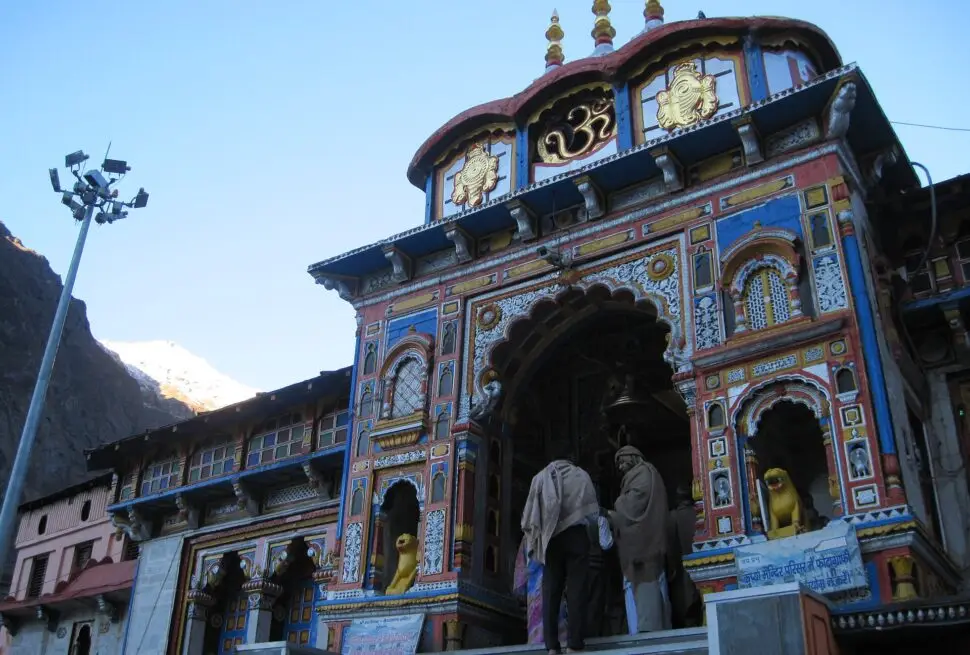
Quick answer: Kedarnath sits at about 3,583 m, so it is cold for most of the year. During the yatra season, days are roughly 11–17 °C and nights roughly 0–8 °C, dropping below freezing in late October and November. May–June and September–October are the best months for darshan; July–August bring heavy rain and landslide risk.
Facts checked November 2026.
| Height | About 3,583 m (11,755 ft) |
|---|---|
| Season temperature | Days roughly 11–17 °C, nights roughly 0–8 °C |
| Best time | May–June and September–October |
| Monsoon | July–August: heavy rain, landslide risk on trek and highway |
| Coldest month | January, nights around −8 °C on average |
| Temple open | Late April or early May until Bhai Dooj |
| Opening date announced | On Mahashivratri at Omkareshwar temple, Ukhimath |
| Winter darshan | Omkareshwar temple, Ukhimath |
−11°C / 3°C
−11°C / 4°C
−10°C / 4°C
Forecast estimate for this spot, not a thermometer reading at the temple; actual weather can differ. Always follow official IMD alerts. Weather data: MET Norway (CC BY 4.0), updates automatically; tap Refresh for the latest.
Kedarnath is one of the highest temples you can reach on the Char Dham yatra, and the weather there decides almost everything: when the doors open, what you pack and how safe the trek feels. Below is a simple month-by-month guide to Kedarnath’s weather and temperature, so your family can choose the right time for Baba Kedar’s darshan.
This page is part of our Kedarnath Yatra Guide. Planning the yatra? See our Kedarnath yatra packages.
How high is Kedarnath, and why is it so cold?
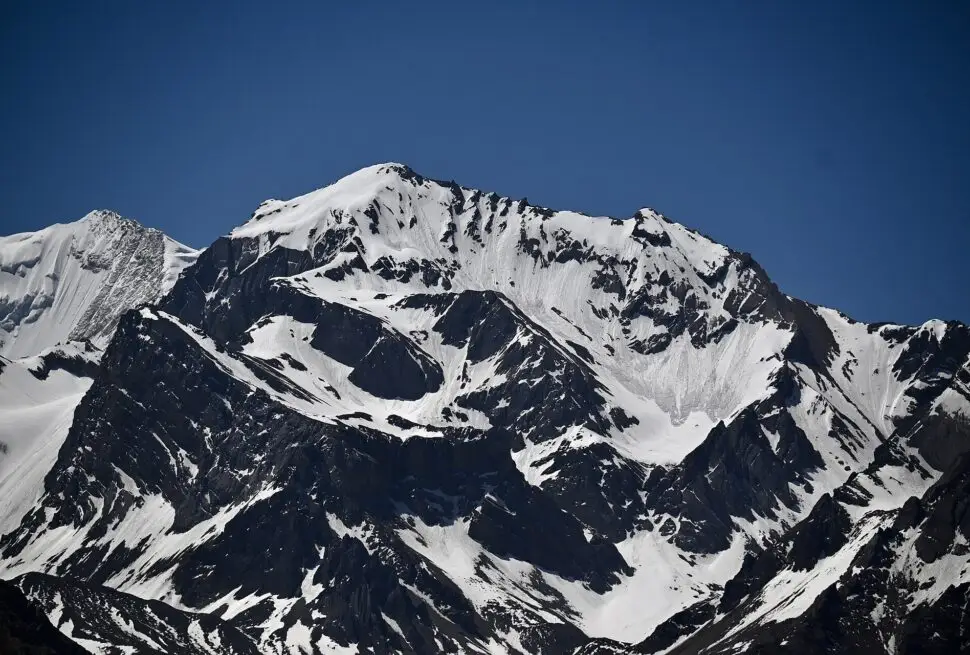
Kedarnath temple stands at about 3,583 m (11,755 ft) above sea level, close to the Chorabari Glacier, which feeds the Mandakini river. At this height the air is thin and cold even in summer. The climate is described as monsoon-influenced subarctic: cool, rainy summers and very cold, snowy winters.
The weather also changes quickly. A sunny morning can turn into cold rain or sleet by afternoon, so always plan for the colder end of the ranges below. Thin air can also cause breathlessness and headaches; read our altitude sickness guide for yatris before you go.
Kedarnath temperature month by month
The figures below are approximate long-term averages from climate data published for Kedarnath (modelled data from Climate-Data.org, as shown on Wikipedia). There is no official IMD monthly table for the temple itself, so treat these as a guide, not a promise. Real days can be colder, especially after rain or snowfall.
| Month | Day temp (approx.) | Night temp (approx.) | What to expect | Temple open? |
|---|---|---|---|---|
| January | About 1 °C | About −8 °C | Coldest month, deep snow, area closed to pilgrims | No (darshan at Ukhimath) |
| February | About 2 °C | About −7 °C | Heavy snow; opening date announced on Mahashivratri | No (darshan at Ukhimath) |
| March | About 6 °C | About −4 °C | Snow still lying; preparations for the season begin | No (darshan at Ukhimath) |
| April | About 11 °C | About 0 °C | Cold, snow on the sides of the path; doors open late April or early May | From opening day (22 April in 2026) |
| May | About 15 °C | About 4 °C | Cool, mostly clear days, cold nights; peak yatra time | Yes |
| June | About 17 °C | About 7 °C | Warmest month; pre-monsoon showers begin late in the month | Yes |
| July | About 17 °C | About 8 °C | Wettest stretch, about 240 mm of rain on average; landslide risk | Yes, but yatra can be halted |
| August | About 16 °C | About 8 °C | Heavy rain continues, fog and slippery paths | Yes, but yatra can be halted |
| September | About 14 °C | About 5 °C | Rain eases in the second half; green valleys, clearer views | Yes |
| October | About 11 °C | About 0 °C | Crisp, clear days, freezing nights; first snowfall possible | Yes |
| November | About 7 °C | About −4 °C | Very cold, snowfall likely; doors close on Bhai Dooj | Until Bhai Dooj (11 November in 2026) |
| December | About 4 °C | About −7 °C | Snow-bound, closed to pilgrims | No (darshan at Ukhimath) |
In real winters it can get far colder than these averages. In late January 2026, news reports said the temperature at Kedarnath fell below −16 °C, with around 3 to 4 feet of snow at the shrine.
Kedarnath weather today: what to expect in November
Early November is the coldest part of the yatra season. By late October 2026, Kedarnath had already seen its second snowfall within a week, and the Rudraprayag police and district administration issued an advisory asking pilgrims to carry warm layers, gloves, caps and thermal socks, check the weather before leaving, and keep their medicines with them.
The doors of Kedarnath close for winter on Bhai Dooj, 11 November 2026, at 8:30 am, as given by the Badrinath-Kedarnath Temple Committee. The doli (palanquin) of Baba Kedar then travels down and reaches the Omkareshwar temple in Ukhimath on 13 November. If you are planning to go in these last days, expect freezing nights, possible fresh snow and sudden changes in the weather. Check the latest forecast on the India Meteorological Department (IMD) website before you set out.
Best time to visit Kedarnath
For most families, the two best windows are:
- May to June: Pleasant days, cold nights and mostly stable weather. This is the most popular time, so register early and expect crowds, especially in the first weeks after the doors open.
- September to October: Once the monsoon eases, the air is clear, the valleys are green and the mountain views are at their best. Nights get close to freezing by October, so pack properly.
Late April (right after opening) and early November (just before closing) are possible too, but they are colder and snow is more likely. They suit fit yatris who are well prepared for cold weather. For elderly parents and small children, May–June or September–October are usually the gentler choice.
If Kedarnath is part of a longer Char Dham yatra, see our guide to the best time for the Char Dham yatra. Remember that registration is compulsory; our Char Dham registration guide explains the steps.
Kedarnath in monsoon: is it safe?
July and August are the wettest months at Kedarnath, with roughly 230–240 mm of rain each on average. Heavy rain loosens the hillsides, and landslides on the trek route and the highway are a real risk. For example, on 30 July 2026 the Kedarnath yatra was suspended after a landslide blocked the trekking route about 200 metres beyond the Gaurikund gate. The District Magistrate asked pilgrims not to move towards Kedarnath without official permission.
The temple stays open in the monsoon, and many people do complete their yatra safely. But if you go in July or August:
- Keep one or two spare days in your plan for road or route closures.
- Check IMD forecasts and district advisories every day, and do not start the trek during heavy rain.
- Carry a proper raincoat, waterproof shoes and a dry change of clothes.
- Expect helicopter services to be cancelled in fog or rain.
The monsoon also brings painful memories: the June 2013 flood nearly destroyed Kedarnath town, though the temple itself survived. That is why we always advise families to respect official warnings, even when it means waiting a day. Our Kedarnath trek route guide explains the path from Gaurikund in detail.
Kedarnath in winter
From Bhai Dooj until the next opening in late April or May, Kedarnath temple is closed because of heavy snow. Kedarnath ji’s utsav murti (festival idol) is carried in a doli to the Omkareshwar temple in Ukhimath, which is the winter seat of Baba Kedar. Worship continues there through the winter, and devotees can have darshan at Ukhimath, which is much easier to reach by road.
The opening date for the next season is announced at Omkareshwar temple, Ukhimath, on Mahashivratri. In 2026 it was announced on 15 February, and the doors opened on 22 April. The 2027 opening date has not yet been announced; we will update this page once it is. To plan a winter darshan, read our update on winter Char Dham darshan in 2026.
What to wear at Kedarnath month by month
- Late April and May: Thermal inner wear, a fleece or sweater, a warm padded jacket, woollen cap, gloves and woollen socks. Nights can be near freezing.
- June: Light woollens for the day, a warm jacket for mornings and nights, and a raincoat for the first monsoon showers.
- July and August: A good raincoat or poncho, quick-dry clothes, waterproof trekking shoes with good grip, and a warm layer that stays dry in your bag.
- September: Layers you can add and remove, a warm jacket and a light raincoat for late rain.
- October and November: Full winter clothing: thermals, a heavy down or padded jacket, woollen cap, gloves, thermal socks and sunglasses for the glare from snow.
In every month, carry sunscreen, a torch, personal medicines and a small bag for wet clothes. Our Char Dham packing list has a full checklist you can print.
Related guides: Badrinath weather and temperature by month · Gangotri and Yamunotri weather by month
How Yatra To Temples can help
We plan Kedarnath yatras around the weather, not just the calendar. We help you pick dates that suit your family, keep buffer time in the monsoon, and stay in touch with you about route updates during the yatra.
- 4-day Kedarnath yatra package, starting from Dehradun
- All Kedarnath yatra options
For a complete overview of the darshan, stay and travel, read our Kedarnath yatra guide. Call or WhatsApp us, or send an enquiry, and we will help you choose the right month.
The weather window only matters while the temple is open: see the Kedarnath opening and closing date for the season.
Latest yatra updates
Frequently asked questions
What is the temperature in Kedarnath in May?
In May, days at Kedarnath are roughly 15 °C and nights roughly 4 °C on average. Mornings and evenings feel cold, so carry a warm jacket and thermals even in summer.
Does it snow in Kedarnath?
Yes. Snowfall is heavy from roughly November to March, which is why the temple closes for winter. Snow can also fall in late October and early November, and in April, around the opening, snow often still lies along the route.
Which is the coldest month at Kedarnath?
January is the coldest month, with average night temperatures around −8 °C. In January 2026, news reports said it dropped below −16 °C, with 3 to 4 feet of snow at the shrine.
Is it safe to visit Kedarnath in July?
July is the wettest month and landslides can block the trek route or highway, which sometimes leads authorities to halt the yatra for a while. If you go, keep spare days, follow official advisories and avoid trekking in heavy rain.
When does Kedarnath temple close in 2026?
Kedarnath temple closed on Bhai Dooj, 11 November 2026, at 8:30 am. Baba Kedar’s doli then went to the Omkareshwar temple in Ukhimath, where winter darshan continues.
When will Kedarnath open in 2027?
The 2027 opening date has not been announced yet. It is traditionally announced on Mahashivratri at the Omkareshwar temple in Ukhimath, and the doors usually open in late April or May.
Can elderly parents visit Kedarnath in October?
Yes, many do, but October nights fall to around freezing and the air is thin. Make sure they have full winter clothing, check with their doctor before the yatra, and plan a slower pace with rest stops.
Related guides: Kedarnath height in metres and feet and Kedarnath distance from Haridwar, Delhi and Rishikesh.
Sources
- Shri Badrinath-Kedarnath Temple Committee – official website
- ThePrint – Kedarnath temple portals to close on Nov 11
- ETV Bharat – Kedarnath 2026 opening date announced on Mahashivratri
- Wikipedia – Kedarnath (altitude and climate table)
- NewKerala – Kedarnath yatra halted after landslide near Gaurikund (July 2026)
Related guides
 Kedarnath Yatra: Complete Guide for Families
 Kedarnath Registration: How to Register Online & Offline
 Kalimath Temple Guide: Distance, History, Navratri
More on Kedarnath Yatra: Kedarnath Registration · Kalimath Temple Guide · Kedarnath Helicopter Booking · Triyuginarayan Temple · Kedarnath Helicopter Fare from Sersi, Phata, Guptkashi · Kedarnath Yatra from Bangalore · Kedarnath Helicopter Safety · Kedarnath Yatra from Mumbai · Kedarnath Trek Route · Kedarnath yatra packages