






Quick answer: Before a Himalayan yatra, senior yatris should see their doctor two to three weeks ahead, carry all regular medicines with prescriptions and recent reports, plan rest days, drink enough water and know the warning signs of altitude illness. This checklist is general guidance; your own doctor’s advice comes first.
Updated for the 2027 yatra season (facts checked October 2026)
This printable checklist helps senior yatris and their families prepare for the Char Dham, Adi Kailash and other high-altitude yatras. It follows the general advice in the Uttarakhand Health Department’s 2026 Char Dham advisory. It is not medical advice. Please take it to your doctor and ask what applies to you.
Print this page or save as PDF from your browser. On a computer press Ctrl+P (Cmd+P on a Mac) and choose “Save as PDF”. On a phone, open the browser’s share or menu button and choose Print.
Two to three weeks before
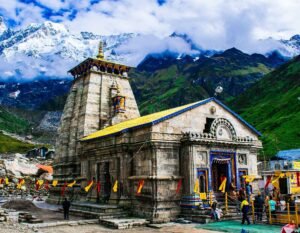
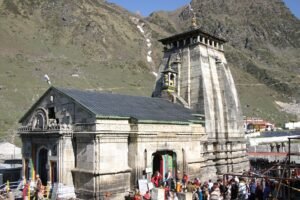
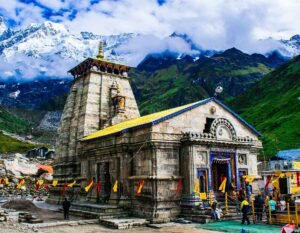
- Full check-up with your doctor; tell them the altitude (up to about 3,600 m for Kedarnath) and how much walking is involved
- Ask directly: “Is this yatra advisable for me this season?”
- Check blood pressure, blood sugar and heart, as your doctor advises
- Ask about any medicine for altitude, cold or motion sickness, and how to take it
- Ask what to do if your BP or sugar changes during the yatra
- If you use an inhaler, CPAP or other device, ask how to manage it in cold and at height
- Complete Char Dham registration and health registration on the official portal
- Buy travel insurance; check age limit, pre-existing conditions and evacuation cover
Medicines to pack
- All regular medicines for the full yatra plus a few extra days
- Medicines in original strips or bottles, with names visible
- Split between two bags, in case one is lost
- Written list of every medicine, dose and timing
- Any medicines your doctor advises for headache, fever, acidity, loose motions or motion sickness
- Glucometer, strips and lancets, or BP monitor, if used at home
- Insulin users: an insulated pouch and your doctor’s advice on storage in cold
Papers to carry
- Prescriptions from your doctor
- Recent reports: ECG, blood tests, any cardiac, lung or kidney reports
- Card with blood group, allergies, conditions and medicines
- Your doctor’s phone number and a family emergency contact
- Insurance policy number and helpline
- Photo ID and yatra registration letter
During the yatra
- Drink enough fluids; the 2026 advisory suggests at least two litres a day
- Do not walk or travel on an empty stomach
- Avoid alcohol and smoking
- Keep warm: layers, cap, gloves, especially early morning and at night
- Walk slowly, rest often; use pony, palki or helicopter if advised
- Take medicines at the usual times, even on travel days
- Check BP or sugar as your doctor advised
- Sleep well; avoid very early starts after a long drive
Warning signs: stop and get help
- Severe or worsening headache
- Breathlessness at rest, or a tight chest
- Dizziness, confusion or unusual drowsiness
- Repeated vomiting
- Bluish lips or fingertips
- Chest pain
If these appear, stop climbing, tell your group leader, go to the nearest government medical relief post or screening centre, and call 108 or 112. Going down to a lower height is often the most important step. Our altitude sickness guide explains more.
Numbers to save
- 112: all emergencies
- 108: ambulance
- 104: health helpline
- 1070 / 1077: Uttarakhand disaster helplines
- 1364: Uttarakhand tourist helpline
How we can help
Read how we plan for parents and grandparents on our yatra safety and senior citizens page and in our Char Dham senior citizen guide. For a gentler route, see the Char Dham Yatra by Helicopter. To discuss your needs, use the enquiry form on this page or call/WhatsApp us (numbers on our Contact page).